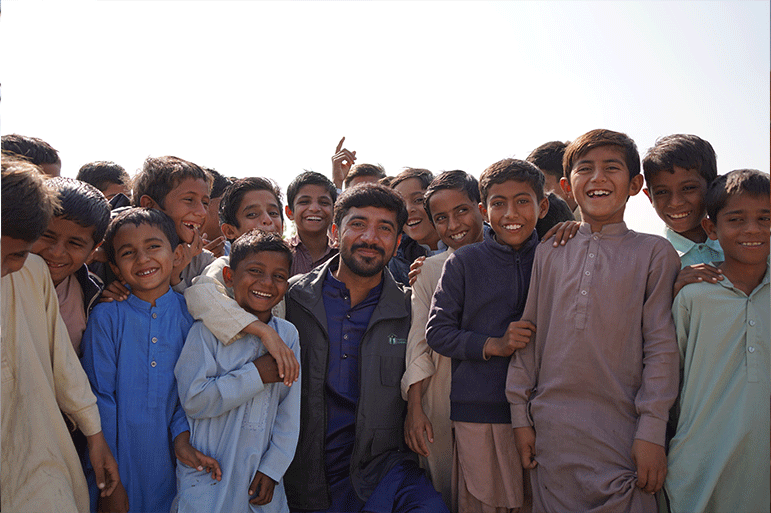
As Ramadan approaches, a sacred month of fasting, reflection, and generosity, millions of families in Pakistan prepare to observe this time with faith and gratitude. However, for many underprivileged households, the joy of Ramadan is overshadowed by food insecurity and financial hardship. Rising inflation and poverty make it difficult for families to afford even basic necessities for sehri and iftar. In response, USA donations for Ramadan food packages are playing a vital role in supporting vulnerable communities across Pakistan, ensuring families can observe the holy month with dignity and hope. These charitable efforts go beyond food assistance. They reflect compassion across borders, strengthening the spirit of unity that Ramadan represents. The Importance of Ramadan Food Support in Pakistan Ramadan holds deep cultural and spiritual significance in Pakistan. Families gather daily to break their fast, mosques fill with worshippers, and acts of charity multiply. Providing food to those in need is considered one of the most rewarding deeds during this month. For families struggling to meet daily expenses, Ramadan food packages for families in Pakistan help relieve stress and allow them to focus on worship rather than survival. These packages ensure that no household is forced to skip meals during a time meant for gratitude and togetherness. What Do Ramadan Food Packages Include? Food packages are carefully assembled to meet nutritional and cultural needs. Typically, they include essential staples such as rice, flour, lentils, cooking oil, sugar, dates, and tea. Some distributions also include spices or seasonal items to help families prepare traditional iftar meals. By providing these essentials, organizations ensure families receive balanced meals throughout the month. These packages are not just supplies—they are symbols of care and solidarity from donors thousands of miles away. The Role of USA-Based Donors and Organizations The success of these initiatives is driven by USA charity donations for Pakistan Ramadan, supported by individuals, mosques, nonprofit organizations, and diaspora communities. Fundraising campaigns intensify during Ramadan, encouraging people in the United States to fulfill their charitable obligations through trusted relief organizations. Well-known humanitarian groups manage fundraising, procurement, and logistics, ensuring transparency and accountability. Donations are transformed into food assistance that reaches both urban slums and remote rural areas where help is most needed. How Food Donations Impact Families and Communities The immediate benefit of food aid during Ramadan in Pakistan is improved nutrition and food security. Families no longer have to choose between buying food and paying rent or medical bills. Children, elderly individuals, and daily wage earners are especially impacted by this support. Beyond physical nourishment, the emotional impact is profound. Receiving a Ramadan food package reassures families that they are not forgotten. It strengthens community bonds and restores hope during challenging times. Shared meals once again become moments of joy rather than anxiety. Distribution and Local Partnerships Efficient distribution is made possible through partnerships with local NGOs and volunteers. These local teams understand community needs and ensure fair distribution to deserving families. Warehouses, transport networks, and volunteer efforts come together to deliver timely assistance before and during Ramadan. Such collaboration ensures that how USA donations help families in Pakistan is not just a concept, but a well-executed reality that reaches doorsteps with respect and dignity. Challenges in Delivering Ramadan Food Aid Despite its success, Ramadan food distribution faces challenges. Logistical delays, rising food costs, and limited funding can restrict reach. Additionally, identifying the most vulnerable families in overcrowded areas requires careful coordination. To overcome these hurdles, organizations continue improving supply chains, using digital donor platforms, and strengthening community outreach to ensure aid reaches those who need it most. Looking Ahead: Sustainable Compassion While Ramadan food packages provide immediate relief, long-term impact requires sustained support. Many organizations aim to complement food aid with livelihood programs, education, and healthcare support. This holistic approach helps families move toward self-reliance while still receiving critical seasonal assistance. Conclusion: PCR’s Commitment to Feeding Families with Dignity The generosity of donors in the United States continues to transform lives in Pakistan during Ramadan. Organizations like PCR (Pakistan Children Relief) are at the forefront of these efforts, ensuring that food packages reach deserving families with transparency, care, and compassion. By connecting donors with communities in need, PCR helps uphold the true spirit of Ramadan—sharing blessings, easing hardship, and restoring hope. Together, we can continue to nourish not only empty plates, but also hearts and futures. Frequently Asked Questions How can I donate from the USA to support Ramadan food packages in Pakistan? You can donate through reputable charities like PCR that offer secure online platforms for Ramadan-specific food distribution programs. Who receives Ramadan food packages in Pakistan? Food packages are distributed to low-income families, widows, orphans, daily wage earners, and communities facing food insecurity. Are USA donations used directly for food distribution? Yes, donations are allocated toward procuring, packing, and distributing essential food items through trusted local partners.
How Donations from the USA Help Expand Career Counseling for Children in Pakistan
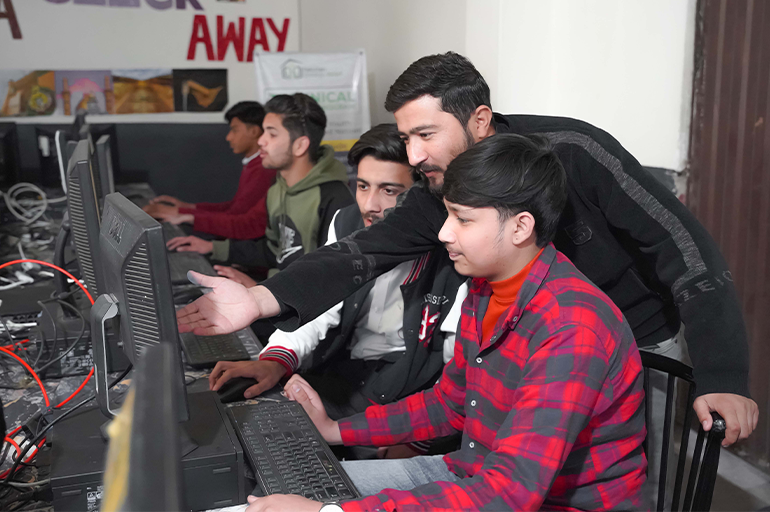
In recent years, the significance of career counseling for children in Pakistan has gained increasing attention, highlighting the vital role it plays in shaping young lives. With a rapidly evolving job market, technological advancement, and persistent economic challenges, many children, especially from underprivileged backgrounds, face deep uncertainty about their future career paths. Limited exposure to career options, lack of mentorship, and minimal access to skills-based education often prevent them from reaching their full potential. In this context, donations from USA donors have emerged as a crucial lifeline, enabling organizations to expand structured career counseling and technical skill development initiatives across Pakistan. Through strategic partnerships between American supporters and local NGOs, these contributions are transforming lives by equipping children with clarity, confidence, and direction. This article explores why career counseling matters, how U.S. donations are driving impact, and what the future holds for Pakistan’s youth. The Importance of Career Counseling for Children in Pakistan Understanding the Educational Landscape Pakistan’s education system presents uneven opportunities across regions and income levels. While some urban schools offer exposure to modern subjects and career planning, many rural and low-income communities struggle with outdated curricula and limited resources. Children often complete their schooling without understanding how their education connects to real-world careers, particularly in emerging sectors like technology. This gap leaves students confused at critical decision-making stages, unsure whether to pursue higher education, vocational skills, or employment. Without guidance, talent remains underutilized, and cycles of poverty persist. The Role of Career Counseling in Child Development Career counseling acts as a bridge between education and opportunity. It helps children identify their interests, strengths, and aptitudes while aligning them with realistic career pathways. Structured guidance improves self-awareness, motivation, and goal-setting skills. When combined with skills-based learning, such as it training for childeren in pakistan, career counseling becomes a powerful tool for long-term empowerment. Children who receive proper guidance are more likely to stay engaged in education, pursue relevant certifications, and make informed career decisions that benefit both themselves and their communities. Overview of Donation Initiatives from the USA Key Organizations and Partnerships Several U.S.-based donors and philanthropic organizations collaborate with Pakistani NGOs to strengthen career counseling programs. These partnerships focus on delivering practical guidance, certification distribution, and workforce readiness training to underserved children. Local NGOs contribute cultural understanding and community access, while U.S. supporters provide financial backing, expertise, and strategic oversight. Types of Donations and Their Allocation Donations typically support counselor training, career assessment tools, certification programs, workshops, and digital learning platforms. Contributions also help scale outreach to remote areas where children rarely receive professional guidance. When donors donate from the USA for IT training in Pakistan, they directly enable children to gain market-relevant skills and clearer career direction. Impact of U.S. Donations on Career Counseling Programs Measurable Program Growth Since the expansion of donor-funded initiatives, participation in career counseling and skills programs has increased significantly. Schools report improved student engagement, higher enrollment in technical courses, and growing interest in certification-based learning. These outcomes demonstrate that targeted funding leads to tangible progress. Real-World Success Stories In Punjab, a donor-supported program introduced career counseling alongside basic IT certification. Within a year, students showed improved academic focus and greater confidence in career planning. In Karachi, counseling workshops paired with skills training helped students secure internships and entry-level roles, offering them a pathway out of financial instability. Collaboration Between American Organizations and Pakistani NGOs Strong collaboration is the backbone of successful implementation. American organizations contribute proven counseling frameworks and workforce development models, while Pakistani NGOs adapt these strategies to local realities. This knowledge exchange ensures programs remain culturally relevant, accessible, and effective. Sharing best practices also allows initiatives to evolve, incorporating feedback from students, parents, and educators to continuously improve outcomes. Challenges and the Road Ahead Cultural and Financial Barriers Despite progress, challenges remain. Some families prioritize immediate income over long-term career planning, making counseling harder to implement. Funding sustainability is another concern, as long-term impact requires consistent support rather than short-term aid. Innovation and Technology Technology is playing an increasing role in overcoming these barriers. Online counseling sessions, virtual mentorship, and digital skill platforms allow programs to reach more children at lower costs. These innovations are critical for scaling impact nationwide. How Individuals Can Support This Cause Supporters can contribute by funding counseling programs, sponsoring certifications, or supporting technical education initiatives. Donations, advocacy, and volunteering all help expand access to guidance that many children would otherwise never receive. Every contribution helps a child move from uncertainty to opportunity. Conclusion Career counseling combined with skills training is a proven pathway to empowerment for underprivileged children in Pakistan. With continued donations from USA donors, these initiatives can reach more communities, equip more children with practical skills, and unlock sustainable futures. Organizations like PCR (Pakistan Children Relief) are playing a vital role in delivering certification distribution and career counseling services, ensuring that children receive not just education, but direction. By supporting PCR’s technical education programs, donors help build confident, skilled, and self-reliant future generations. Frequently Asked Questions What types of career counseling programs are offered? Programs include skills assessment, career awareness, certification guidance, vocational pathways, and IT-focused counseling. How can individuals in the USA help? Supporters can donate, sponsor training programs, or advocate for children’s career development initiatives. Why is IT-focused counseling important? Technology skills increase employability and open global opportunities, making IT training highly impactful for underprivileged children. Are these programs sustainable long-term? Yes, with consistent donor support and strong local partnerships, programs are designed for long-term community impact.

How Pakistan Children Relief Provides Health Support for Orphaned Children in Pakistan
Across Pakistan, thousands of orphaned children face daily struggles that most of us never see. Many grow up without consistent access to healthcare, proper nutrition, or emotional support. Illnesses that are easily preventable can become life threatening, and untreated trauma can follow a child into adulthood. This is where Pakistan Children Relief (PCR) steps in, providing structured and compassionate care to protect the health and dignity of orphaned children. This article explores the key health challenges faced by orphans, how PCR addresses them through targeted programs, and why orphan support in Pakistan must remain a priority for sustainable change. Addressing Core Health Challenges in Orphanages Orphanages in Pakistan often operate with limited resources. Overcrowding, unsafe water, and inconsistent medical supervision create conditions where illnesses spread quickly. PCR focuses on prevention first, ensuring that small health issues do not escalate into life altering problems. Combating Malnutrition and Nutritional Deficiencies Malnutrition remains one of the most serious challenges for orphaned children. National health data shows that a significant number of children suffer from stunting and underweight conditions, which directly impact physical and cognitive development. PCR begins with health and nutrition assessments for every child under its care. Weight, height, and growth patterns are monitored regularly to identify risks early. Fortified meal plans and targeted supplements help address deficiencies in iron, vitamin A, and zinc. In supported orphanages, balanced meals using locally available foods such as lentils, rice, vegetables, and seasonal fruits are introduced. Caregivers receive basic nutrition training so improvements continue long term. These efforts strengthen immunity, increase energy levels, and support learning readiness. Preventing and Managing Infectious Diseases Crowded living environments increase the risk of respiratory infections, skin diseases, and waterborne illnesses. PCR emphasizes hygiene education and sanitation improvements as frontline defenses. Children are taught proper handwashing techniques through simple routines and activities. Orphanages receive hygiene kits containing soap, disinfectants, and basic cleaning supplies. Clean water solutions and improved sanitation facilities reduce repeated illness and absenteeism. Rapid response systems allow PCR teams to intervene quickly during outbreaks, providing treatment support and referrals when needed. These efforts significantly reduce the spread of preventable diseases and form a core part of orphan relief in Pakistan. Closing Infant and Early Childhood Care Gaps Many orphanages care for infants and toddlers who are especially vulnerable. PCR supports early childhood health through routine checkups, growth monitoring, and vaccination coordination aligned with national health schedules. Caregivers are trained to identify early warning signs such as breathing difficulties, dehydration, or feeding issues. Timely intervention during early childhood greatly improves survival rates and long term development outcomes. Delivering Medical Care Through Clinics and Mobile Health Units Access to healthcare is often limited for orphanages located in remote or underserved areas. PCR bridges this gap by bringing healthcare directly to children. Regular Medical Screenings and Health Records PCR conducts routine medical checkups that include dental exams, vision screening, and general health assessments. Each child maintains a personal health record that tracks medical history, treatments, and follow up needs. This system allows doctors to monitor trends, address recurring issues, and provide continuity of care as children grow. It also ensures transparency and accountability for donors supporting orphanage support services organization initiatives. Emergency Care and Specialist Referrals When emergencies arise, PCR activates referral networks with hospitals and pediatric specialists. Transportation, treatment costs, and follow up care are covered so children receive timely medical attention regardless of financial limitations. These safety nets are essential for serious conditions such as injuries, congenital disorders, or acute infections. For donors who sponsor an orphan in Pakistan, this means knowing that children have access to lifesaving care when it matters most. Vaccination and Preventive Health Campaigns Vaccination remains one of the most effective tools in protecting children’s health. PCR organizes catch up vaccination drives for children who missed routine immunizations due to displacement or instability. By coordinating with public health departments, PCR helps reduce the risk of outbreaks and contributes to broader community protection. Supporting Mental and Emotional Well Being Health goes beyond physical care. Orphaned children often carry emotional trauma linked to loss, displacement, and insecurity. Psychological Support and Counseling PCR integrates emotional support through group counseling sessions, play therapy, and mentorship programs. Trained counselors help children process grief and build coping skills in a safe environment. Caregivers are also trained to recognize signs of emotional distress and respond with empathy. These efforts help children regain confidence, stability, and a sense of belonging. Building Health Awareness and Life Skills Health education workshops empower both staff and older children with practical knowledge. Topics include personal hygiene, illness prevention, and age appropriate health awareness. When children understand how to care for their own well being, they carry these habits into adulthood, strengthening the long term impact of orphan support in Pakistan. Sustainability Through Community and Partnerships PCR focuses on long term solutions rather than temporary aid. Training orphanage staff and local volunteers ensures continuity of care even beyond direct program involvement. Partnerships with government health services help expand reach and align efforts with national priorities. This collaborative approach allows orphan relief in Pakistan to scale effectively and sustainably. Conclusion: Building Healthier Futures with Pakistan Children Relief Health is the foundation upon which education, confidence, and independence are built. Through structured nutrition programs, preventive healthcare, mental health support, and emergency response systems, Pakistan Children Relief (PCR) plays a vital role in protecting orphaned children across the country. By supporting PCR, donors become part of a trusted orphanage support services organization dedicated to long term child wellbeing. Whether you choose to donate, volunteer, or sponsor an orphan in Pakistan, your involvement helps transform vulnerability into opportunity. A healthier child today becomes a stronger, more resilient adult tomorrow. Together, we can create lasting change for those who need it most. Frequently Asked Questions 1. How does orphan support in Pakistan improve children’s health? It provides access to regular medical care, nutrition support, vaccinations, and emotional counseling that orphaned children would otherwise lack. 2. What does it mean to sponsor an
Challenges Faced by Orphanages and Orphaned Children in Pakistan
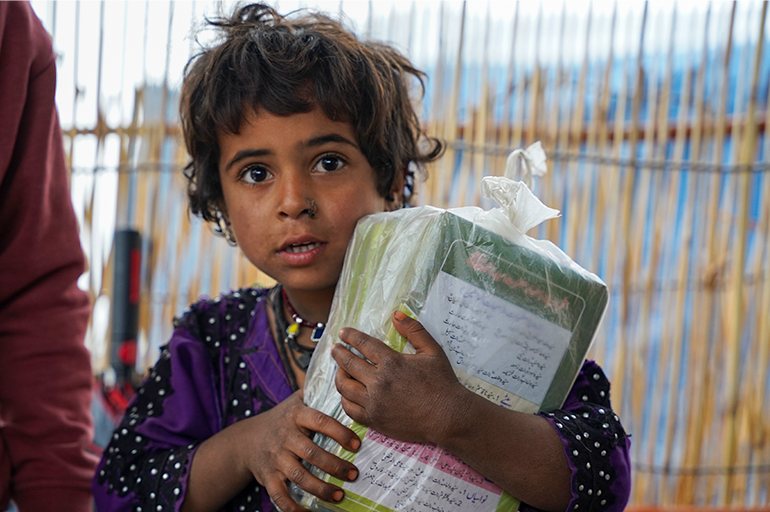
In Pakistan, orphanages play a vital role in protecting and nurturing children who have lost parental care. Yet, these facilities and the children they serve face numerous challenges rooted in poverty, limited resources, and systemic neglect. Orphaned children often grow up battling emotional trauma, lack of stability, and barriers to education and healthcare. This article explores the major challenges faced by orphanages and orphaned children in Pakistan while highlighting the need for stronger orphan relief in Pakistan and improved long-term support systems. Overview of Orphanages in Pakistan History and Current Landscape Orphanages have existed in Pakistan since the early years of independence, established largely by charitable groups and community leaders responding to large numbers of displaced and vulnerable children. Today, the system remains diverse ranging from government-run facilities to private charities, religious institutions, and small community shelters. The quality of care differs widely, making the work of every orphanage support services organization essential in filling the gaps. Current Statistics Pakistan is estimated to have around 4 million orphaned children, many of whom rely on institutional care or extended family networks. With such large numbers, resources often fall short, forcing many facilities to operate under financial strain and overcrowding challenges that directly impact the well-being of the children. Socioeconomic Challenges Funding Limitations Most orphanages depend on public generosity and small grants. When donations slow down, essential services such as food, healthcare, and education suffer. Consistent Pakistan orphanage donation programs are crucial for maintaining stable operations, especially in underfunded rural areas. Impact of Poverty Widespread poverty amplifies every challenge. Limited budgets mean children may not receive balanced diets, qualified teachers, or proper hygiene supplies. In low-resource orphanages, even basic maintenance becomes difficult, affecting living conditions and children’s overall development. Government Support While policies exist for child protection, enforcement remains weak. Many orphanages struggle to meet regulatory standards due to insufficient guidance and financial constraints. Stronger government-NGO partnerships are necessary to safeguard children effectively. Emotional and Psychological Challenges Trauma and Long-Term Effects Many children enter orphanages after experiencing severe trauma, including abandonment, neglect, or loss. Without proper counseling, these emotional wounds can lead to anxiety, depression, or behavioral issues later in life. Unfortunately, access to mental-health specialists is extremely limited, leaving most children without needed psychological support. Attachment and Social Difficulties Growing up without stable parental figures can hinder a child’s ability to form healthy relationships. Caregivers often manage large groups, making individualized attention difficult. This situation affects trust-building, confidence, and social skills—elements crucial to a child’s emotional growth. Educational Barriers Limited Access to Quality Education Many orphanages struggle to provide strong educational foundations due to teacher shortages, outdated materials, or lack of transportation to nearby schools. Supporting education through programs that sponsor an orphan in Pakistan can significantly improve learning outcomes by covering tuition fees, books, and uniforms. Poor Learning Resources Some facilities rely on old textbooks and makeshift classrooms, limiting a child’s exposure to meaningful learning experiences. Without access to digital tools or enrichment programs, children fall behind academically, impacting their future opportunities. Health and Nutrition Challenges Common Health Issues Due to overcrowding and insufficient medical care, children frequently suffer from respiratory infections, skin diseases, malnutrition, and dental problems. Preventive healthcare is rare in many facilities, making minor illnesses escalate quickly. Nutritional Deficiencies Financial struggles often lead to unbalanced meals lacking essential vitamins and proteins. Malnutrition weakens immunity and hinders growth, creating long-term health risks that can follow children into adulthood. Legal and Social Challenges Weak Enforcement of Child Protection Laws Although Pakistan has laws designed to protect vulnerable children, practical implementation is inconsistent. Some orphanages operate with minimal oversight, leaving children exposed to risks of neglect or exploitation. Social Stigma Orphaned children often face societal stigma, impacting their self-esteem and acceptance within communities. Misconceptions about orphanages can also reduce public trust and discourage engagement with any orphan charity working to support these children. Solutions and Support Mechanisms NGO Partnerships and Community Support Collaboration between local organizations, global partners, and government bodies is essential. NGOs provide critical expertise, funding, and monitoring systems that improve standards of care. Community involvement—such as mentorship, volunteer programs, or advocacy—helps reduce stigma and builds an inclusive support network. Innovative Programs Skill-building workshops, tutoring, mental-health sessions, and extracurricular activities can significantly improve children’s development. Many facilities also collaborate with external groups to provide vocational training for older children, helping them transition into independent life. Conclusion Orphanages and orphaned children in Pakistan face significant challenges, from funding shortages to emotional trauma and limited access to quality education and healthcare. Addressing these issues requires unified efforts from government bodies, civil society, charities, and compassionate individuals. Organizations like Pakistan Children Relief (PAKCR) play a vital role in delivering orphan relief in Pakistan through sustainable care models, educational support, and improved living conditions. By supporting trusted initiatives and contributing to long-term programs, we can create a safer, brighter future for every orphaned child in Pakistan. Frequently Asked Questions What are the main challenges orphanages face in Pakistan? The primary challenges include funding and resource limitations, educational barriers, health and nutrition issues, and the emotional and psychological impact on orphaned children. How can the community support orphanages and orphaned children? Community support can come in various forms, such as volunteering, donations, raising awareness, and partnering with local NGOs to provide resources and services. What role does the government play in supporting orphanages? The government is responsible for creating and enforcing child protection laws, providing funding and resources, and regulating orphanage operations to ensure the safety and well-being of children. How do orphaned children in Pakistan cope with emotional challenges? Orphaned children often face trauma and attachment issues, but access to mental health services, supportive relationships, and community engagement can help them cope and heal.
From Labor to Learning: Helping Working Children Return to School in Pakistan
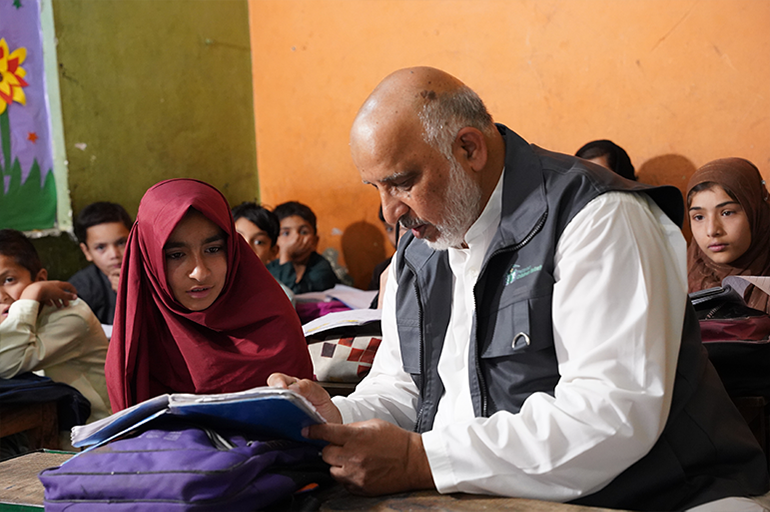
In Pakistan, millions of children spend their childhoods earning a living rather than learning in classrooms. Despite the country’s commitment to international child-rights conventions, poverty, cultural pressures, and lack of educational access continue to push young boys and girls into labor. These children sacrifice not only their education but also their health, dreams, and future. This article explores the harsh realities of child labor in Pakistan, the barriers preventing children from enrolling in school, and the urgent need for solutions that help children transition from labor to learning. By highlighting successful initiatives and sustainable strategies, we aim to support efforts that create long-term educational opportunities for every child, especially those who need education support the most. The Reality of Child Labor in Pakistan Scale and Impact Child labor remains one of Pakistan’s most pressing challenges. It is estimated that over 12.5 million children aged 5–14 are currently engaged in work many in hazardous sectors like agriculture, brick kilns, and workshops. These children often work long hours for little pay, forfeiting their right to schooling and childhood in the process. The negative impact extends far beyond missing school. These children face physical strain, exhaustion, malnutrition, and life-long health complications. Mentally, they are more susceptible to depression, stress, and emotional trauma. Instead of playing, learning, or imagining a bright future, they bear adult responsibilities far too soon. Barriers to Education for Working Children Economic Pressure & Family Realities For many low-income families, every earning hand matters. When food and survival take priority, parents often feel they have no choice but to send their children to work. With limited financial safety nets, education can feel like a luxury rather than a necessity. This is why programs that help families and support a child’s education in Pakistan play a vital role in breaking this cycle. Cultural Perceptions In some areas, education especially for boys who are expected to work or girls expected to marry early is undervalued. Families may believe schooling does little to improve livelihood opportunities. Changing mindsets requires awareness programs, community leadership, and proven success stories. Geographical & Infrastructure Barriers Many underdeveloped rural communities lack basic educational facilities. Even where schools exist, they may have no trained teachers, books, or safe learning spaces. To address this, basic learning centers in Pakistan have become essential in reaching children who otherwise have no access to education. Community, Awareness & Support Programs Role of NGOs & Local Leaders Community-based organizations are crucial in shifting attitudes toward education. Through awareness campaigns, parent counseling, and grassroots support, they help families understand how education can open doors to employment, dignity, and stability. Awareness & Advocacy Campaigns across media, mosques, and rural centers encourage families to send children to school. Public awareness is turning the conversation from “children need to work” to “children need education for a better future.” Policy & Program Recommendations Strong Enforcement of Child-Protection Laws Pakistan has laws against child labor, but enforcement remains weak. Strengthening monitoring systems and training law-enforcement can ensure that these laws protect children effectively not just exist on paper. Financial Incentives for Families To make schooling financially viable, governments and organizations should expand stipend programs, school meals, and school supplies donation in Pakistan initiatives. When families receive support, they are more willing to donate education for children in Pakistan by allowing them to attend school instead of working. Holistic Reintegration Into Education Counseling & Social Support Children returning to school often carry trauma and need emotional support. Empowering them through counseling, peer-support circles, and teacher training fosters confidence and helps them adapt. Vocational & Technical Pathways Not all children follow the same learning journey. Integrating vocational programs with formal learning creates opportunities for youth to acquire practical skills while receiving an education increasing future employment prospects. Sustainable Path Forward Long-term success depends on collaboration between government, NGOs, communities, and global partners. Regular monitoring and evaluation of education programs ensure resources reach the children who need them most. A long-term commitment is essential. The solution isn’t temporary charity — it’s sustained effort that guarantees quality education for underprivileged children and ensures access to education for poor children across Pakistan. Conclusion: A Future Where Every Child Learns Child labor will only end when children have real, accessible alternatives — and education is the most powerful alternative of all. By improving schooling options, increasing parental awareness, and strengthening financial support programs, Pakistan can help children trade labor for learning and build a future filled with opportunity. Organizations like Pakistan Children Relief (PAKCR) are leading this mission through their education support program in Pakistan, offering learning opportunities, school supplies, and safe study environments for children. Their basic learning centers in Pakistan help children who never had the chance to attend school — giving them a fresh start. When families and donors come together to support a child’s education in Pakistan, we move closer to ending the cycle of poverty and empowering future generations. Together, we can ensure that every child has a classroom instead of a work site — and a bright future instead of hardship. Frequently Asked Questions What are the main causes of child labor in Pakistan? Poverty, lack of access to schools, cultural norms, and family financial pressure are the primary drivers. How can working children be encouraged to return to school? Financial support for families, flexible learning programs, and awareness initiatives help children transition from work to school. What role do NGOs play in this cause? NGOs raise awareness, provide learning centers, offer school supplies, and run education support programs to help children re-enter school. How can the government reduce child labor? By enforcing child-protection laws, improving school infrastructure, offering family incentives, and expanding rural education programs.
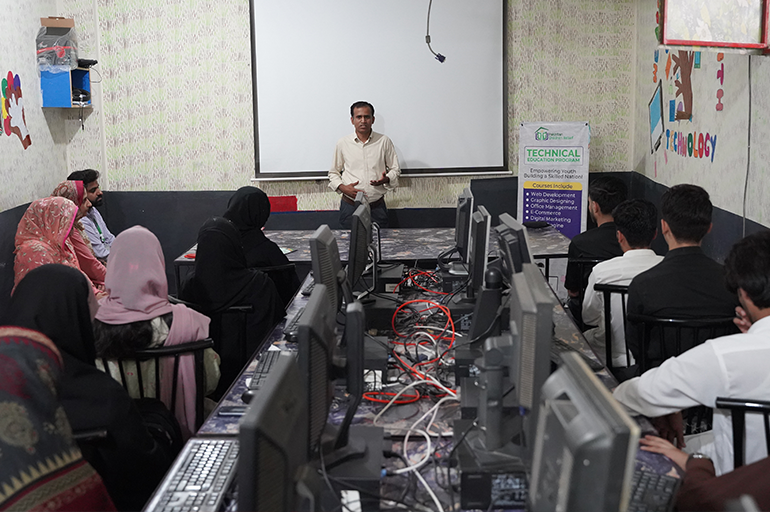
How Digital Literacy Is Transforming Technical Education in Rural Pakistan
In recent years, digital literacy has become a cornerstone of modern education, especially in rural regions of Pakistan where traditional learning systems often lag behind. As the world transitions into a technology-driven economy, the ability to use and understand digital tools is no longer optional it’s essential. In rural areas where educational resources are limited, improving digital literacy can empower students, enhance employability, and open pathways to new opportunities. Integrating technology into technical education programs in Pakistan is helping bridge the learning gap and create a more inclusive, skill-based education system.I The Importance of Digital Literacy in Rural Education Defining Digital Literacy Digital literacy extends far beyond knowing how to use a computer it encompasses the ability to navigate digital platforms, analyze online information, and use technology for learning and problem-solving. In rural schools, these skills enable students to access a world of knowledge beyond textbooks, connecting them to global learning opportunities and digital communities. Benefits of Digital Skills for Students For students in rural areas, digital literacy can be life-changing. Access to online courses, virtual libraries, and interactive platforms allows them to learn subjects and skills not offered locally. These digital competencies also improve job prospects since nearly every modern career requires a degree of tech proficiency. In essence, digital skills empower rural youth to compete in a national and international workforce, breaking cycles of poverty and limited opportunity. The Current State of Technical Education in Rural Pakistan Overview of Existing Institutions While rural Pakistan has a network of vocational and technical training centers, many are hindered by outdated facilities and limited technological resources. Classrooms often lack modern computers, reliable internet, or updated learning materials. This makes it difficult for instructors to teach skills relevant to today’s industries. Curriculum Gaps and Limitations The curriculum in most vocational training programs in Pakistan needs modernization. Many still rely on outdated manuals and tools that don’t reflect current job market needs. As a result, students graduate without the practical or digital skills required by employers. Revamping curricula to include technology-driven courses such as coding, digital marketing, and technical software use is crucial for bridging this gap. Barriers to Digital Access for Rural Students Lack of Infrastructure and Connectivity Limited access to electricity, internet, and technological equipment poses one of the biggest challenges to rural digital education. Many schools in remote areas still lack computer labs or reliable power sources, leaving students disconnected from digital learning platforms. Socioeconomic Barriers Financial constraints are another major obstacle. For many rural families, purchasing a computer or paying for internet access remains unaffordable. When basic needs take priority, education—especially digital education becomes secondary. Bridging this divide requires collective effort through community-based support, public funding, and NGO initiatives. Integrating Technology into Technical Education Modern Teaching Approaches To make learning more dynamic, educators must adopt hybrid models that combine traditional teaching with online learning. Interactive lessons, virtual workshops, and multimedia tools can enhance understanding and engagement. Teachers trained in digital tools can transform passive classrooms into collaborative learning spaces. Collaborations with NGOs and Tech Companies Public-private partnerships are playing an increasingly important role in upgrading technical education. Organizations like Pakistan Children Relief (PAKCR) and local NGOs collaborate with tech companies to provide teacher training, computer labs, and digital skills training for youth. These partnerships help align educational content with industry needs while providing hands-on exposure to real-world tools and technologies. The Role of Skill Development and Training Programs To equip students for employment, skill development programs and vocational training programs in Pakistan are being integrated with digital components. These programs focus on teaching practical, job-oriented skills—ranging from IT and graphic design to renewable energy technologies and basic entrepreneurship. Moreover, promoting skill development for children at an early stage can nurture curiosity and confidence in technology use, preparing future generations for a digital workforce. The Employment Impact of Digital Literacy Digital literacy directly correlates with employability. As industries automate and digitize, demand grows for professionals who can operate software systems, manage online platforms, and adapt to evolving technologies. Youth from rural regions with technical and digital training are finding work in diverse fields such as e-commerce, IT support, and online freelancing. Remote work opportunities now enable many to contribute economically without migrating to urban centers. Additionally, entrepreneurship is flourishing in rural areas. Equipped with digital tools, young innovators are launching small online businesses, selling handmade goods, and promoting local products through social media. This digital empowerment is transforming local economies from the ground up. Future Prospects for Digital Education in Rural Areas The future of digital learning in Pakistan lies in innovation and inclusivity. Blended learning models, gamified education apps, and mobile classrooms are making education more interactive and accessible. Mobile phones, in particular, have become a powerful tool for rural learning—bringing lessons, tutorials, and digital libraries directly into students’ hands. To sustain these advancements, community involvement is crucial. When parents, local leaders, and teachers collectively advocate for digital education, it fosters a culture that values learning and technological progress. Community centers equipped with internet access can serve as shared learning hubs, expanding educational opportunities for all ages. Policy Recommendations and the Way Forward Government support remains the cornerstone of progress. Increased funding for rural internet infrastructure, teacher training, and digital devices is essential to expanding reach. Policymakers must also promote collaborations between schools, NGOs, and the private sector to scale successful digital programs. Regular monitoring and data-driven evaluations will ensure that digital education initiatives remain effective and equitable. Conclusion: Empowering the Next Generation Integrating digital literacy into technical education programs in Pakistan has the power to revolutionize rural learning and empower youth with employable skills. By strengthening skill development programs, improving access to technology, and investing in sustainable educational infrastructure, Pakistan can bridge the divide between rural and urban education. Organizations like Pakistan Children Relief (PAKCR) are at the forefront of this transformation—implementing digital training, teacher empowerment, and community outreach initiatives that ensure no child is left behind. With continued collaboration and commitment, the dream of a digitally