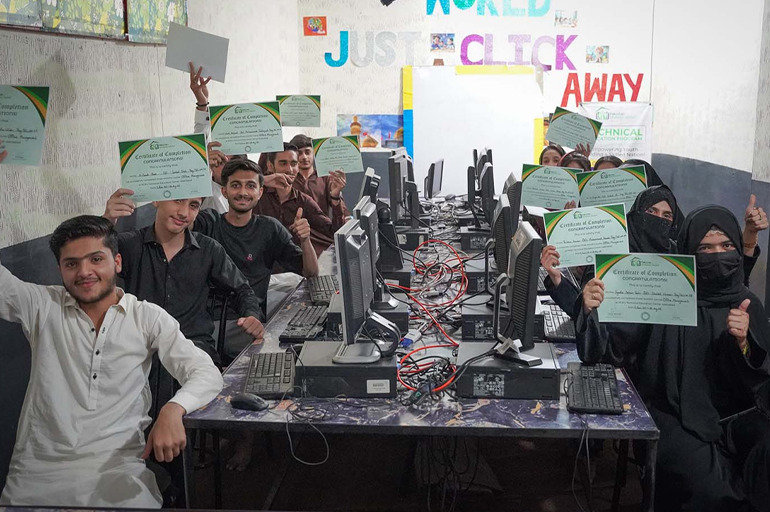
Imagine this: over 60% of Pakistan’s population is under the age of 30 energetic, ambitious, and eager to build better lives. Yet youth unemployment remains close to 11%, leaving millions struggling to find meaningful work. At the same time, the global economy is moving at lightning speed toward digital systems, artificial intelligence, and remote work. In today’s world, digital literacy is no longer optional. It is a survival skill. For Pakistan’s youth, especially those from underserved backgrounds, mastering digital skills can be the turning point that transforms uncertainty into opportunity. When combined with the right educational support program or technical education program, digital literacy has the power to reshape futures not just for individuals, but for families and communities as well. The Changing Landscape of Pakistan’s Job Market Pakistan’s job market is undergoing a major transformation. Traditional roles that once relied on manual labor are shrinking, while technology-driven roles are expanding. Automation and the Decline of Low-Skill Jobs Machines and software now perform tasks once handled by people; data entry, inventory tracking, even fabric cutting in textile factories. While this boosts efficiency, it also reduces demand for low-skill labor. Youth without digital skills risk being pushed out of the workforce entirely. However, those who understand how to operate, manage, or maintain these systems remain in demand. Rise of Remote Work and the Gig Economy The gig economy has unlocked new possibilities for Pakistanis. Freelancing platforms allow youth to earn globally through skills like graphic design, content writing, programming, and digital marketing. Remote work removes geographic limits, but only for those who know how to use digital tools, communicate online, and manage projects virtually. Without digital literacy, these opportunities remain out of reach. Growth in Tech-Driven Sectors Industries such as fintech, e-commerce, and online education are expanding rapidly. From mobile banking platforms to online stores, employers now expect basic tech competence. Digital fluency gives young people a competitive edge in sectors that offer sustainable income and long-term growth. What Digital Literacy Really Means Digital literacy is more than knowing how to use a smartphone. It’s about understanding technology well enough to solve problems, communicate effectively, and work safely online. Foundational Digital Skills These include using word processors, spreadsheets, cloud storage, and video conferencing tools. Understanding basic cybersecurity such as recognizing scams and protecting passwords—is equally important, especially in remote work environments. Communication and Data Skills Employers value clarity. Writing professional emails, participating confidently in virtual meetings, and interpreting basic data sets are essential skills. Youth who can present ideas clearly online stand out instantly. Navigating Online Job Platforms Knowing how to search for jobs online, build a strong LinkedIn profile, and tailor a CV for digital filtering systems is crucial. Digital literacy makes the difference between applying endlessly and landing interviews. Barriers Holding Youth Back Despite its importance, access to digital literacy remains uneven in Pakistan. Lack of Internet and Devices Urban youth often enjoy better connectivity, while rural communities struggle with unreliable internet and lack of devices. This digital divide limits learning and freezes out potential talent. Outdated Education Systems Many schools and colleges still focus on theoretical knowledge rather than real-world digital tools. Without practical training, graduates remain unprepared for modern jobs—highlighting the need for stronger technical education programs. Gender and Cultural Challenges Socio-cultural norms often restrict girls’ access to technology and online work. This gender gap keeps half the population from fully participating in the digital economy and must be addressed through inclusive children relief programs and community awareness. Practical Ways to Build Digital Skills The good news? Digital literacy is more accessible than ever. Use Free and Affordable Learning Platforms Online courses in web development, digital marketing, and IT support are widely available. Many platforms offer certifications that boost employability and confidence especially for youth without formal degrees. Focus on Portfolios, Not Just Certificates Employers want proof. A simple portfolio showing real projects, mock websites, design samples, or writing pieces often matters more than a certificate alone. Learn Through Community and NGO Programs Public and private initiatives, along with nonprofit educational support programs, play a vital role in reaching marginalized youth. These programs offer structured learning, mentorship, and sometimes even job placement support. Why Digital Literacy Is an Investment in Pakistan’s Future A digitally skilled youth population means higher employment, stronger innovation, and faster economic growth. When young people can earn, they support families, reduce dependency, and uplift entire communities. Organizations like Pakistan Children Relief (PAKCR) understand this deeply. Through their educational support programs, technical education program initiatives, and child sponsorship programs, PAKCR helps equip underserved children and youth with practical skills for long-term independence. Their approach goes beyond short-term aid, focusing on empowerment and sustainability key pillars for real national progress. By supporting children relief programs that prioritize digital and technical education, Pakistan can nurture a generation ready to compete, contribute, and lead. Frequently Asked Questions (FAQs) Why is digital literacy important for youth employment in Pakistan? Digital literacy enables youth to access modern jobs, apply online, freelance globally, and adapt to tech-driven industries that are shaping the future economy. Can digital skills help break the cycle of poverty? Yes. When combined with educational support programs and child sponsorship programs, digital skills open doors to sustainable income and self-reliance. How do organizations like PAKCR support digital education? PAKCR supports skill development and technical education programs as part of its broader children relief programs, helping underprivileged youth gain employable skills and brighter futures.
Challenges Faced by Orphanages and Orphaned Children in Pakistan
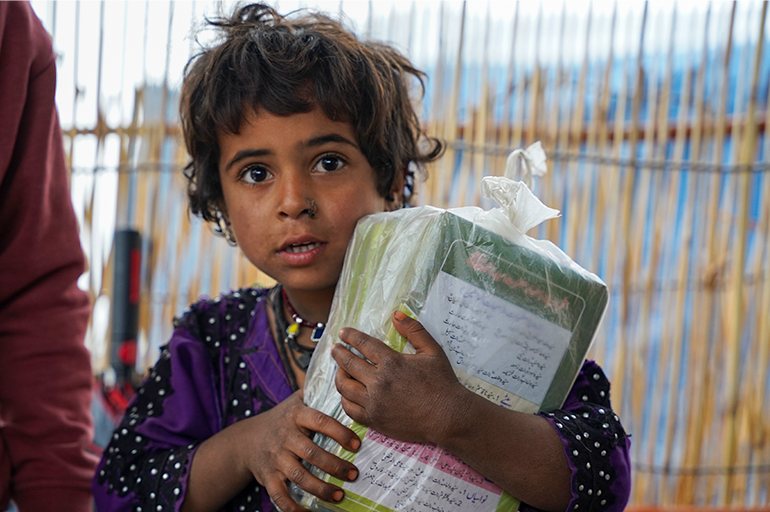
In Pakistan, orphanages play a vital role in protecting and nurturing children who have lost parental care. Yet, these facilities and the children they serve face numerous challenges rooted in poverty, limited resources, and systemic neglect. Orphaned children often grow up battling emotional trauma, lack of stability, and barriers to education and healthcare. This article explores the major challenges faced by orphanages and orphaned children in Pakistan while highlighting the need for stronger orphan relief in Pakistan and improved long-term support systems. Overview of Orphanages in Pakistan History and Current Landscape Orphanages have existed in Pakistan since the early years of independence, established largely by charitable groups and community leaders responding to large numbers of displaced and vulnerable children. Today, the system remains diverse ranging from government-run facilities to private charities, religious institutions, and small community shelters. The quality of care differs widely, making the work of every orphanage support services organization essential in filling the gaps. Current Statistics Pakistan is estimated to have around 4 million orphaned children, many of whom rely on institutional care or extended family networks. With such large numbers, resources often fall short, forcing many facilities to operate under financial strain and overcrowding challenges that directly impact the well-being of the children. Socioeconomic Challenges Funding Limitations Most orphanages depend on public generosity and small grants. When donations slow down, essential services such as food, healthcare, and education suffer. Consistent Pakistan orphanage donation programs are crucial for maintaining stable operations, especially in underfunded rural areas. Impact of Poverty Widespread poverty amplifies every challenge. Limited budgets mean children may not receive balanced diets, qualified teachers, or proper hygiene supplies. In low-resource orphanages, even basic maintenance becomes difficult, affecting living conditions and children’s overall development. Government Support While policies exist for child protection, enforcement remains weak. Many orphanages struggle to meet regulatory standards due to insufficient guidance and financial constraints. Stronger government-NGO partnerships are necessary to safeguard children effectively. Emotional and Psychological Challenges Trauma and Long-Term Effects Many children enter orphanages after experiencing severe trauma, including abandonment, neglect, or loss. Without proper counseling, these emotional wounds can lead to anxiety, depression, or behavioral issues later in life. Unfortunately, access to mental-health specialists is extremely limited, leaving most children without needed psychological support. Attachment and Social Difficulties Growing up without stable parental figures can hinder a child’s ability to form healthy relationships. Caregivers often manage large groups, making individualized attention difficult. This situation affects trust-building, confidence, and social skills—elements crucial to a child’s emotional growth. Educational Barriers Limited Access to Quality Education Many orphanages struggle to provide strong educational foundations due to teacher shortages, outdated materials, or lack of transportation to nearby schools. Supporting education through programs that sponsor an orphan in Pakistan can significantly improve learning outcomes by covering tuition fees, books, and uniforms. Poor Learning Resources Some facilities rely on old textbooks and makeshift classrooms, limiting a child’s exposure to meaningful learning experiences. Without access to digital tools or enrichment programs, children fall behind academically, impacting their future opportunities. Health and Nutrition Challenges Common Health Issues Due to overcrowding and insufficient medical care, children frequently suffer from respiratory infections, skin diseases, malnutrition, and dental problems. Preventive healthcare is rare in many facilities, making minor illnesses escalate quickly. Nutritional Deficiencies Financial struggles often lead to unbalanced meals lacking essential vitamins and proteins. Malnutrition weakens immunity and hinders growth, creating long-term health risks that can follow children into adulthood. Legal and Social Challenges Weak Enforcement of Child Protection Laws Although Pakistan has laws designed to protect vulnerable children, practical implementation is inconsistent. Some orphanages operate with minimal oversight, leaving children exposed to risks of neglect or exploitation. Social Stigma Orphaned children often face societal stigma, impacting their self-esteem and acceptance within communities. Misconceptions about orphanages can also reduce public trust and discourage engagement with any orphan charity working to support these children. Solutions and Support Mechanisms NGO Partnerships and Community Support Collaboration between local organizations, global partners, and government bodies is essential. NGOs provide critical expertise, funding, and monitoring systems that improve standards of care. Community involvement—such as mentorship, volunteer programs, or advocacy—helps reduce stigma and builds an inclusive support network. Innovative Programs Skill-building workshops, tutoring, mental-health sessions, and extracurricular activities can significantly improve children’s development. Many facilities also collaborate with external groups to provide vocational training for older children, helping them transition into independent life. Conclusion Orphanages and orphaned children in Pakistan face significant challenges, from funding shortages to emotional trauma and limited access to quality education and healthcare. Addressing these issues requires unified efforts from government bodies, civil society, charities, and compassionate individuals. Organizations like Pakistan Children Relief (PAKCR) play a vital role in delivering orphan relief in Pakistan through sustainable care models, educational support, and improved living conditions. By supporting trusted initiatives and contributing to long-term programs, we can create a safer, brighter future for every orphaned child in Pakistan. Frequently Asked Questions What are the main challenges orphanages face in Pakistan? The primary challenges include funding and resource limitations, educational barriers, health and nutrition issues, and the emotional and psychological impact on orphaned children. How can the community support orphanages and orphaned children? Community support can come in various forms, such as volunteering, donations, raising awareness, and partnering with local NGOs to provide resources and services. What role does the government play in supporting orphanages? The government is responsible for creating and enforcing child protection laws, providing funding and resources, and regulating orphanage operations to ensure the safety and well-being of children. How do orphaned children in Pakistan cope with emotional challenges? Orphaned children often face trauma and attachment issues, but access to mental health services, supportive relationships, and community engagement can help them cope and heal.
How Child Sponsorship Is Changing Lives in Pakistan
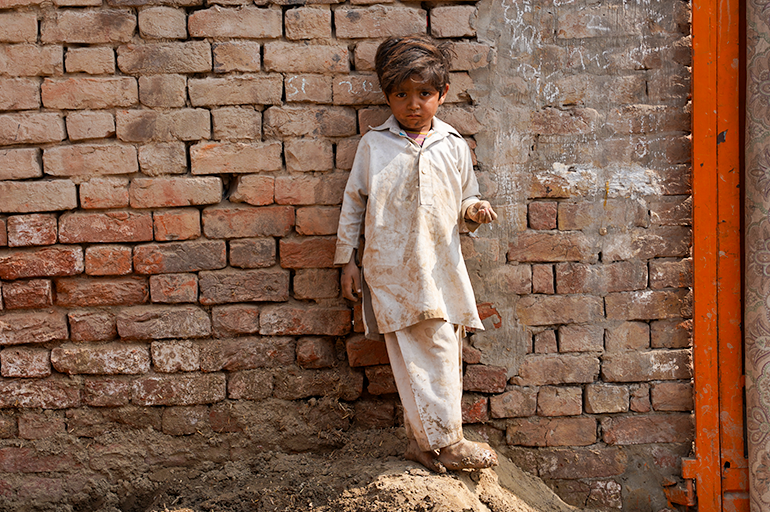
Picture a young girl sitting on the floor of a small village classroom, holding a book she owns for the very first time. Her uniform is simple, but her smile is wide with hope. For millions of children in Pakistan, this moment is still out of reach. More than 22 million children remain out of school, while hunger, illness, and poverty shape their daily lives. This is where child sponsorship becomes life-changing. It is not a one-time donation or a passing act of charity. It is a long-term commitment that supports education, health, nutrition, and emotional well-being. By sponsoring a child, donors help replace uncertainty with stability and fear with opportunity by creating a future that once seemed impossible. The Foundation of Sponsorship: Supporting the Whole Child True sponsorship focuses on more than survival. It strengthens every part of a child’s life, giving them the tools to grow with dignity and hope. Education: Opening Doors to Opportunity For many families, school fees, uniforms, and books are unaffordable luxuries. As a result, children are often sent to work instead of class. Sponsorship removes these barriers by covering essential education costs and supporting learning environments. When families know school expenses are handled, children attend classes consistently. Teachers report stronger participation, improved literacy, and better academic confidence. Education becomes more than a dream, it becomes part of daily life. This is often the first step in sponsoring a child, because education breaks the cycle of poverty not just for one child, but for future generations. Educated children grow into adults who earn, contribute, and give back to their communities. Health and Nutrition: Building Strong Bodies and Minds Hunger and poor health silently steal a child’s potential. In Pakistan, malnutrition affects nearly one in three children, impacting growth, focus, and immunity. Sponsorship ensures children receive regular meals, medical checkups, and vaccinations. With proper nutrition, children gain energy, focus better in class, and miss fewer school days due to illness. Healthcare support prevents minor issues from becoming lifelong problems. A healthy child learns faster, dreams bigger, and smiles more often. For families living hand-to-mouth, this support is life-changing. It lifts a constant burden and allows parents to focus on stability instead of survival. Safety and Emotional Well-Being Poverty exposes children to serious risks of child labor, early marriage, and neglect. Sponsorship creates a protective buffer by reducing financial stress at home and providing community-based monitoring and mentoring. Children benefit from safe spaces where they can talk, play, and express emotions. Counseling, mentorship, and peer support help them process trauma and build confidence. Emotional well-being is often overlooked, yet it shapes how children see themselves and their future. A child who feels safe doesn’t just survive, they thrive. Measuring Impact: Real Change, Real Lives The impact of sponsorship is measurable and deeply personal. Graduation rates increase. Literacy improves. Health indicators rise. Communities witness fewer children working and more children learning. At the same time, stories from the ground reveal the human side of these numbers. A boy who once sold snacks on the street now dreams of becoming an engineer. A girl who never imagined school beyond primary class now wants to teach others. Families grow hopeful when they realize their children have real options. This is why many donors want to understand how to sponsor a child in a way that creates lasting results, because the outcomes are visible, trackable, and transformative. Strengthening Communities, Not Creating Dependency Effective sponsorship programs focus on community development, not dependency. Funds support local schools, clinics, and teachers ensuring solutions fit cultural and regional needs. Parents receive awareness sessions, older youth gain vocational skills, and communities participate in maintaining schools and resources. Over time, families become more self-reliant, and children grow within stronger support systems. Sponsorship plants seeds that keep growing, even when direct aid steps back. Choosing Meaningful Sponsorship For donors, selecting the best organization to sponsor a child matters deeply. Transparency, accountability, community involvement, and long-term impact are key factors. Reputable programs clearly show how funds are used, provide regular updates, and prioritize child protection and dignity. Sponsorship should always empower the child—not exploit their story. Beyond financial support, some sponsors form emotional connections through letters and updates, encouraging children and reminding them they are seen, valued, and believed in. Conclusion: Turning Compassion Into Change At its heart, child sponsorship is about belief, the belief that every child deserves a chance to learn, grow, and dream. It transforms lives quietly but powerfully, changing not only individual futures but entire communities. Organizations like Pakistan Children Relief (PAKCR) carry this mission forward by supporting education, health, and protection programs for vulnerable children across Pakistan. Through structured sponsorship models and community-based solutions, PAKCR helps children replace hardship with hope. When you choose to support a child through sponsorship, you’re not just giving assistance you’re giving a possibility. One child’s smile today can shape Pakistan’s brighter tomorrow.
How Donations to Education Charities in Pakistan Help Children Thrive
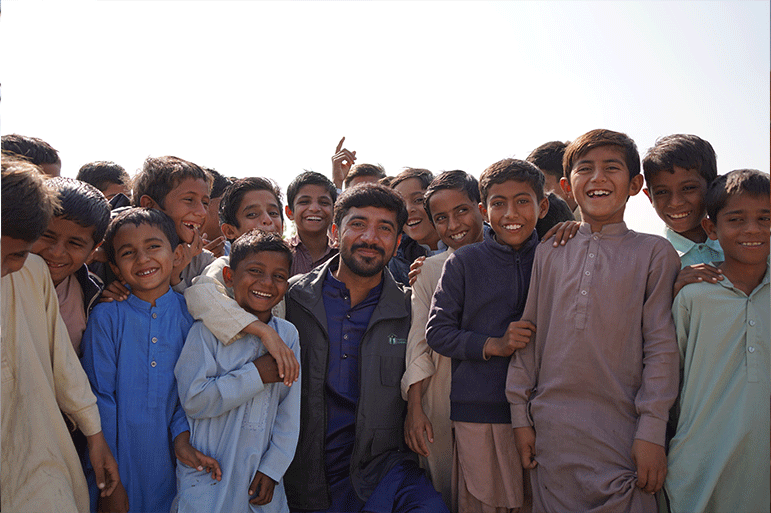
Imagine a young girl in a remote village of Punjab, Pakistan. She dreams of becoming a doctor, but her family’s poverty keeps her home to help with chores. Over 22 million children in Pakistan lack basic schooling, according to UNESCO data. This gap doesn’t just hurt kids; it holds back the whole country. Donations to education charities in Pakistan change that story. They open doors for children to thrive, building skills and hope for brighter futures. In this piece, we’ll explore how your support boosts educational access in Pakistan and sparks real child development. The Stark Realities: Barriers to Education Access in Pakistan Pakistan faces huge hurdles in giving kids a fair shot at learning. Many children miss out due to deep-rooted issues. Let’s break down the main ones. Geographic and Economic Disparities In big cities like Karachi, schools often have modern setups. But in rural spots, kids walk miles just to reach a rundown building. The urban-rural split means rural children get far less quality education. Money woes hit hard too. Families scrape by, so school fees, uniforms, and books feel like luxuries. Instead of studying, many kids work in fields or factories. This cycle traps them in poverty. Donations to education charities in Pakistan target these divides, helping more children thrive through better access to education for poor children. The Crisis of Infrastructure and Resources Classrooms pack in too many students, sometimes 60 or more per teacher. Basic needs like clean toilets go missing, which scares away girls the most. Without libraries or simple tools like blackboards, lessons fall flat. Reports from the World Bank show over 40% of schools lack proper drinking water. These shortages stunt learning right from the start. Your gifts can fix roofs, add desks, and stock shelves, making safe spaces where child development blooms—similar to what basic learning centers in Pakistan aim to achieve. Teacher Quality and Retention Challenges Good teachers shape young minds, but Pakistan struggles to keep them. Low pay pushes talent away, leaving gaps in classrooms. Many educators lack fresh training, so old methods dominate. This hurts how kids grasp math or reading. Better support, like workshops funded by charities, keeps teachers sharp and committed. When educators stay and improve, children thrive with quality education for underprivileged children. Direct Impact: Where Your Donations Make an Immediate Difference Your money doesn’t vanish into thin air. It hits the ground running, creating quick wins for kids. Here’s how donations to education charities in Pakistan transform daily struggles into steps forward. Funding School Construction and Rehabilitation Building a school from scratch sounds big, but it’s a game-changer in far-off areas. Charities use funds to raise walls, install windows, and create play yards. In places like Balochistan, new structures replace mud huts battered by rain. These safe spots draw kids who once stayed home. Over time, enrollment jumps—think 200 more students in one village. Your donation builds not just bricks, but futures where education support programs in Pakistan lift entire communities. Providing Scholarships and Material Support Cash help lifts the weight off poor families. Scholarships cover tuition for a full year, letting kids focus on books, not bills. Charities hand out uniforms, notebooks, and bags too. Picture a boy in Lahore getting his first set of pencils—suddenly, he joins class without shame. This aid keeps dropout rates low, around 20% lower in supported areas per local studies. It’s direct relief that boosts educational access and encourages school supplies donation to Pakistan. Enhancing Digital Literacy and Technology Access Tech opens worlds beyond village borders. Donations set up computer rooms with basic laptops or tablets. Kids learn coding or online research, prepping for jobs in a connected economy. In urban slums, programs bridge the gap for those without home internet. Simple apps teach English or science in fun ways. As Pakistan pushes for digital skills, your support ensures no child gets left behind. This push helps support a child’s education in Pakistan in a modern and competitive world. Beyond Academics: Fostering Holistic Child Development Education isn’t just ABCs. It shapes the whole kid—body, mind, and spirit. Charities go deeper, touching lives in ways that last. Nutrition Programs and Health Interventions Hungry kids can’t think straight. Malnutrition affects one in three Pakistani children, slowing brain growth. School meals from charity funds—a hot lunch of rice and veggies—fix that. Kids arrive alert and stay till bell rings. On-site check-ups catch illnesses early, like eye tests or vaccines. Healthier bodies mean sharper minds. These steps connect nutrition to learning, especially when donors choose to donate education for children in Pakistan. Promoting Gender Equality Through Education Girls face extra roadblocks, like early marriage or no safe bathrooms. Charities build girls-only facilities and teach hygiene to keep them in school. Enrollment for females rises 30% in some programs, based on aid reports. Think of a charity effort in Khyber Pakhtunkhwa that adds secure spaces—suddenly, more sisters join brothers in class. This focus on girls’ education breaks old chains and improves access to education for poor children across communities. Cultivating Critical Thinking and Life Skills Rote learning bores kids. Charities fund clubs for debate, art, or soccer after hours. Vocational classes teach sewing or farming tricks for real jobs. These build confidence and teamwork. A child who argues points in a mock trial learns to solve problems. Sports keep them fit and happy. By mixing fun with smarts, donations help children gain skills supported by education support programs in Pakistan that encourage growth beyond textbooks. Measuring Success: Accountability and Sustainable Change Charities must prove their work matters. They track results to build trust. Let’s see how they ensure lasting wins. Tracking Learning Outcomes and Graduation Rates Success shows in numbers. Charities measure reading scores or math tests before and after aid. Graduation jumps from 50% to 80% in funded schools, per evaluation data. Literacy rates climb as kids master basics. Tools like yearly surveys spot what’s working. This transparency helps donors see measurable change through support a child’s education Pakistan. Empowering
How to help orphans in Pakistan without adopting
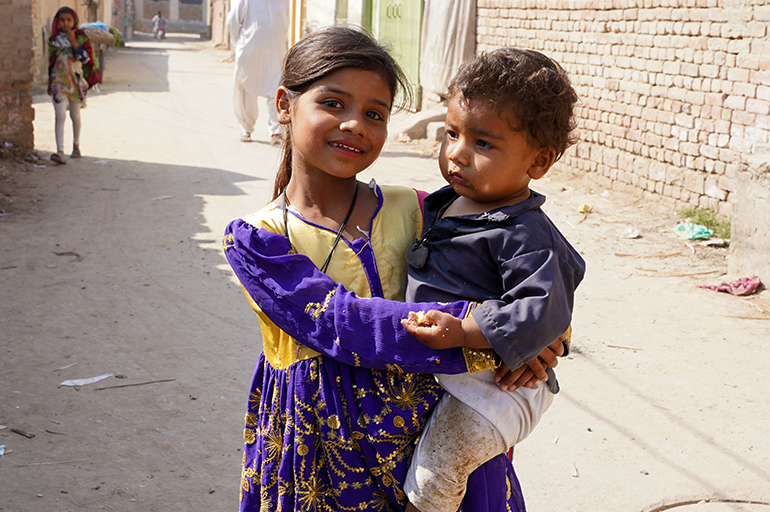
Orphaned children in Pakistan face immense challenges from lack of education and healthcare to emotional trauma and social exclusion. While adoption is one way to help, not everyone is in a position to take on that responsibility. The good news? There are many impactful ways to support these vulnerable children without adopting. Through community involvement, financial contributions, awareness efforts, and meaningful partnerships, individuals can play a crucial role in empowering orphaned children and improving their futures. Understanding the Orphan Crisis in Pakistan Current Statistics and Realities Pakistan is home to an estimated 4.2 million orphaned children, many of whom endure conditions no child should experience. Poverty, disease, natural disasters, and conflict contribute to this growing number. Most orphans lack stability, access to education, and consistent care leaving them vulnerable to exploitation, malnutrition, and emotional distress. Challenges Orphans Face Daily From food scarcity and lack of shelter to limited schooling and healthcare, orphaned children face layers of hardship. Many struggle to cope with grief and trauma without emotional support systems. Social stigma and discrimination can further isolate them, making it difficult to break the cycle of poverty. Supporting them isn’t just an act of charity, it’s a step toward restoring dignity and hope. Volunteer Opportunities with Local Organizations How You Can Volunteer Volunteering your time is one of the most powerful ways to contribute to orphan support in Pakistan. Opportunities may include: Tutoring or mentoring children Assisting with extracurricular or life-skills programs Helping organize community events Supporting administrative or outreach work Whatever your strengths, teaching, organizing, or simply showing compassion, there is a role you can fill. Finding Reliable Organizations Locating reputable charities is easier than ever. Search online, explore social media pages, or reach out to local schools, mosques, and community centers. Look for groups with transparent goals and consistent community involvement. A trusted orphanage support services organization can guide you toward volunteer opportunities that truly matter. Providing Financial Support for Orphans Donating Responsibly and Impactfully If you prefer to contribute financially, choosing the right charity is essential. Do your research: ensure the organization is registered, transparent, and has a proven track record of supporting orphaned children. Reliable charities publish annual reports, show how funds are used, and follow ethical practices. Your financial support helps provide: Safe housing Education and uniforms Nutritious meals Healthcare and emergency aid Every contribution—big or small—can help shape a child’s future. Tax Benefits & Financial Transparency Many Pakistani charities registered under the Income Tax Ordinance offer tax-deductible donations. This ensures your gift not only helps children but also offers a financial advantage. Always ask for receipts and confirm that the organization publicly shares its financial breakdown. Sponsoring Education and Healthcare Why Sponsorship Matters Choosing to sponsor an orphan in Pakistan is one of the most personal and transformative forms of support. Educational sponsorship provides: School fees and supplies Transportation and uniforms Access to tutoring and counseling Mentorship opportunities Education is a long-term investment that can break generational poverty and empower orphans to build independent, meaningful lives. Supporting Health and Well-Being Orphans frequently struggle with untreated injuries, malnutrition, and chronic illnesses. Supporting their healthcare through donations or supporting medical initiatives ensures they receive: Vaccinations Routine checkups Emergency care Nutrition plans A healthy child can learn, socialize, and grow with confidence. Raising Awareness and Advocating for Orphans Using Social Media as a Tool Social media is an incredibly powerful platform to promote orphan relief in Pakistan. Sharing informative content, real-life stories, or fundraising links can inspire others to contribute or volunteer. Even a simple share can amplify awareness to thousands. Engaging Your Community Host workshops, awareness drives, or informal discussions to educate your community about the challenges orphans face. Personal stories, guest speakers, and interactive activities make advocacy meaningful and memorable. Organizing Fundraisers and Donation Drives Creative Fundraising Ideas There’s no shortage of creative ways to generate support: Charity walks or sports tournaments Bake sales or food festivals Art auctions Donation boxes at local cafes or events Online crowdfunding campaigns Fundraising events not only gather financial support but also spread awareness about the importance of helping orphans. Promoting Your Event Successfully Use social media, word of mouth, and local community boards to spread the word. Partnering with local influencers or small businesses can significantly increase participation and donations. Supporting Foster Care and Alternative Family Models Understanding Pakistan’s Foster System Foster care provides family-based support for children who cannot return to their biological families. Pakistan’s foster system is developing, but awareness and participation are still limited. Educating yourself about how foster care works can help you advocate for reforms and improvements. How You Can Help Foster Initiatives You can support foster care by donating, volunteering, or sharing information within your community. Support programs that train foster parents, fund children’s needs, or provide transitional care. Often, awareness is the first step to meaningful change. Building Long-Term Partnerships with Community Initiatives Identifying the right partners—trusted NGOs, community leaders, or local businesses—can strengthen long-term support systems for orphans. Collaborating consistently and sharing resources ensure sustainable growth, better care, and more effective impact. Conclusion: A Collective Effort for Brighter Futures Helping orphaned children in Pakistan doesn’t require adoption—it requires compassion, commitment, and community cooperation. Whether you contribute time, funds, awareness, or advocacy, each effort plays a vital role in uplifting these vulnerable children. Reliable organizations like PAKCR (Pakistan Children Relief) continue to expand their reach through educational programs, healthcare initiatives, and long-term emotional support, giving orphaned children the hope and opportunities they deserve. Your involvement—whether volunteering, donating, or spreading awareness—can spark meaningful change. Through Pakistan orphanage donation, partnerships, and sustained support, we can create a future where every orphaned child is protected, educated, and empowered to thrive. Frequently Asked Questions 1. How can I find reliable charities to support orphans in Pakistan? Research local and international organizations that have a proven track record of supporting orphans. Look for those that provide transparency about their operations and financial reports. Websites like Charity Navigator or local NGOs’ reviews can also provide insight
How Technical Education Can Prepare Pakistan’s Youth for Job-Ready Futures
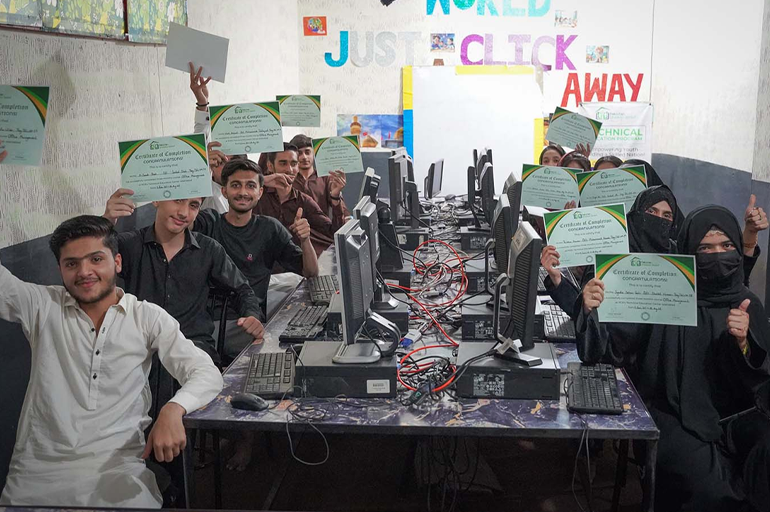
Youth unemployment remains one of Pakistan’s most pressing challenges, especially as thousands of young people enter the workforce every year with limited practical skills. While traditional education plays an important role, it often fails to equip students with the hands-on expertise needed in today’s job market. This is where technical education steps in offering a pathway for young people to gain relevant skills, secure employment, and support long-term economic stability. But technical education doesn’t succeed in isolation. It requires collaboration between educational institutions, industries, government entities, and development organizations. By working together to modernize training systems, Pakistan can cultivate a generation of job-ready youth prepared to excel in a rapidly evolving labor landscape. The Current Landscape of Technical Education in Pakistan Overview of Technical Institutions Pakistan’s technical education system includes polytechnic institutes, trade schools, and vocational centers designed to prepare students for industry-based careers. While many institutions have the potential to produce highly skilled graduates, constraints such as outdated equipment, limited funding, and traditional teaching methods often hinder their effectiveness. Enrollment Trends Enrollment in technical fields has grown slowly but steadily, particularly among students seeking quicker pathways to employment. However, participation still represents a small portion of the youth population, and significant gender disparity remains. Many young women still hesitate to enter technical fields due to cultural norms, accessibility issues, and a lack of mentorship opportunities. Key Challenges Technical institutes frequently face shortages of qualified instructors and weak connections with industry employers. This disconnect often leaves students learning theory without opportunities to apply their skills. Without updated curricula and industry-aligned training, graduates may enter the workforce underprepared. Identifying Skills Gaps Among Youth Industry Needs Analysis Employers across Pakistan repeatedly highlight the gap between skills taught and skills required. Industries such as manufacturing, IT, agriculture, logistics, and renewable energy seek workers who can operate modern tools, understand safety standards, and solve problems independently. Unfortunately, many young job seekers lack exposure to real-world technologies. Balancing Soft and Hard Skills Employers don’t just want technical proficiency; they value communication, teamwork, and adaptability. A candidate may know how to operate machinery or code software, but without strong soft skills, they may struggle in collaborative environments. This blend of competencies is essential for long-term career growth. Youth Aspirations Many young Pakistanis aspire to careers in technology, engineering, digital services, or creative fields. Yet, they often lack clear pathways for achieving these aspirations. Awareness campaigns, career counseling, and accessible training opportunities are essential to guide youth toward viable and fulfilling career options. Collaborative Efforts: Building Stronger Links Between Education and Industry Effective Partnership Models In countries with strong technical education systems, institutions work hand-in-hand with industries to develop practical training frameworks. Similar partnerships in Pakistan between colleges, businesses, and NGOs show promising results. When industries help design curricula, provide equipment, or host students for training, graduates become far better prepared for employment. Internships and Apprenticeships Real-world learning experiences remain one of the most effective tools for preparing job-ready youth. Apprenticeships give students hands-on exposure, building confidence and competence. When young people train within companies, they gain insights into workplace expectations, professional behavior, and modern technology. Continuous Improvement Through Feedback Technical institutions must regularly consult employers and students to refine their programs. Feedback loops help ensure that training stays relevant and adaptive to changing market needs. Government’s Role in Strengthening Technical Education Policy Frameworks Supportive legislation can set the foundation for quality training systems. Policies that standardize curricula, encourage industry participation, and prioritize skills for economic development help create long-term impact. Funding and Resource Allocation Technical education requires investments in equipment, updated labs, and skilled instructors. Government funding—paired with private sector support—can modernize existing institutions and establish new training centers. Public–Private Partnerships When businesses collaborate with the public sector, training becomes more aligned with market needs. Such partnerships also improve job placement rates and give students a clear connection between education and employment. Engaging Youth: Awareness, Inclusion & Accessibility Outreach and Awareness Many young people simply don’t know the opportunities technical education can unlock. Awareness campaigns, community workshops, school visits, and social media campaigns can shift mindsets and encourage participation. Removing Barriers Scholarships, transport assistance, and flexible schedules can help students from low-income backgrounds access training opportunities. Reducing barriers ensures that ability not financial status determines future opportunities. Gender Inclusivity Empowering girls in technical fields strengthens families and communities. Mentorship programs, safe learning environments, and female-focused outreach can increase girls’ enrollment and broaden Pakistan’s talent pool. Measuring Impact and Preparing for the Future Key Performance Indicators Monitoring metrics such as skill competencies, job placement rates, and employer satisfaction ensures continuous progress. Graduate Employment Tracking Following up with graduates provides accurate insights into how well programs prepare students for the workforce. Looking Ahead Emerging fields like AI, automation, and renewable energy will reshape skill demands. Training systems must evolve to prepare youth for the jobs of tomorrow. Conclusion: Building a Skilled Future with Collective Effort Transforming technical education in Pakistan is essential to preparing a capable, job-ready youth population. By enhancing training systems, strengthening industry links, and expanding access to programs including vocational training programs in Pakistan, skill development for children, digital skills training for youth, and technical education for orphan children Pakistan can unlock the potential of its growing young population. As stakeholders work together to support technical education in Pakistan, organizations like Pakistan Children Relief (PAKCR) continue to play a vital role in empowering underserved youth with practical skills, confidence, and opportunities for a brighter future. Frequently Asked Questions What are the main challenges facing technical education in Pakistan? The main challenges include inadequate funding, outdated curricula, insufficient industry partnerships, and a lack of awareness among youth regarding available technical education opportunities. How can industries contribute to improving technical education? Industries can contribute by partnering with educational institutions to develop relevant curricula, providing internships and apprenticeships, and offering feedback on the skills required for the workforce. What role does the government play in enhancing technical education? The government plays a crucial role by creating
The Role of Donors in Empowering Pakistan’s Next Generation of Digital Professionals
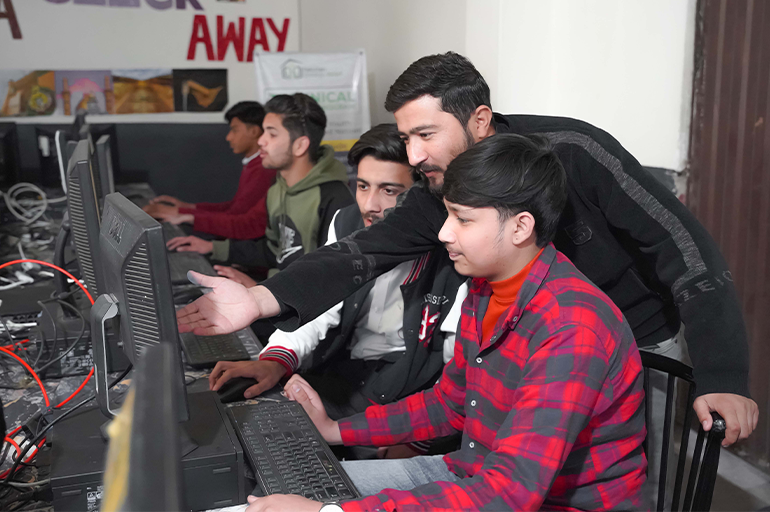
Pakistan is experiencing a major shift toward digitalization, and with it comes a rising demand for skilled youth ready to participate in the modern workforce. While technology is advancing rapidly, access to quality skills training remains uneven—especially for underprivileged communities and orphaned children. This is where donors play a critical role. By contributing to technical education programs in Pakistan, investing in skill development programs, and supporting vocational training programs in Pakistan, donors help bridge the opportunity gap for thousands of young people. This article explores how donor support is empowering Pakistan’s youth, especially orphaned children, through digital skills training, educational partnerships, and long-term capacity building. Understanding Pakistan’s Digital Education Landscape Pakistan’s digital transformation is underway, yet the path is uneven. Major cities like Karachi, Lahore, and Islamabad are advancing quickly, with more youth gaining exposure to IT and e-commerce. However, rural and underserved communities still struggle with limited internet access and lack of digital infrastructure. Despite these challenges, the country is witnessing substantial efforts to enhance digital skills training for youth, bringing hope and opportunity where it’s needed most. The growing awareness of digital literacy has led to a greater emphasis on technical education for orphan children, who otherwise face limited life opportunities. Why Digital Skills Matter in Today’s Job Market Globally, employers are searching for individuals equipped with in-demand digital skills — from e-commerce and digital marketing to web development and freelancing. In Pakistan, the demand for such talent is rising due to growth in IT exports, remote work opportunities, and entrepreneurship. Youth without tech skills risk falling behind in a competitive world. While universities offer theory-based education, many graduates lack hands-on experience. This is where donors make a major difference — by supporting skill development for children and youth, they help create training environments aligned with industry needs, allowing students to gain both technical and soft skills. How Donors Are Leading the Change Funding Innovative Training Models Donors today support much more than classroom education. Their contribution fuels scholarship programs, digital labs, online platforms, and tech bootcamps. Many donor-supported initiatives include practical hands-on training that prepares youth for real-world employment. Some donors also fund emerging learning methods such as virtual classrooms, gamified lessons, and blended learning programs, making digital education interactive and accessible. These models ensure students gain practical knowledge, not just books and theory. Effective Partnerships for Sustainable Impact Real progress happens when donors collaborate with NGOs, community organizations, technical institutes, and private companies. These partnerships help build comprehensive learning ecosystems where students receive mentoring, career guidance, and job placement support. Best practices for such collaboration include: Setting clear and aligned goals Maintaining transparency and regular communication Evaluating program outcomes frequently Incorporating student feedback Sharing resources and expertise for greater reach Through these efforts, training programs become more impactful, scalable, and sustainable. Challenges Along the Way Despite encouraging progress, barriers remain. Many young people, especially in rural areas, lack access to computers, stable internet, and safe learning spaces. Cultural misconceptions also persist — some families still believe technology careers aren’t “real jobs.” Sustainability is another challenge. When donor funding ends, programs can struggle to continue unless strong local partnerships and long-term planning are in place. Encouraging community ownership and government support is essential to keep these programs running beyond the initial funding phase. The Road Ahead: Preparing for the Future With rapid advancements in AI, automation, and digital business, Pakistan must continue expanding its digital training ecosystem. Future technical education programs will need to integrate: AI & machine learning basics E-commerce operations Cybersecurity fundamentals Digital freelancing strategies Software development & data analytics Scaling successful pilot projects nationwide can accelerate progress. If diverse stakeholders work together, Pakistan can build a skilled workforce capable of driving innovation and competing globally. A Call to Action for Donors To unlock Pakistan’s potential, more supporters must step forward. Donors can help by: Sponsoring student training and certifications Funding equipment like laptops and internet access Supporting digital labs and learning hubs Sharing success stories to inspire others Engaging in collaborative donor coalitions Investing in digital education is not just charity — it is a long-term investment in economic growth, community empowerment, and national development. Conclusion: Building a Brighter Digital Future Donor contributions are transforming lives by expanding access to technical education programs in Pakistan, developing practical skills, and uplifting disadvantaged youth — including orphaned children who deserve equal opportunities to dream and succeed. Through skill development programs, vocational training programs in Pakistan, and digital capacity building, donors are empowering young people to support their families, pursue careers, and break the cycle of poverty. At Pakistan Children Relief (PakCR), we are committed to providing technical education for orphan children and underprivileged youth, equipping them with real-world skills in digital marketing, e-commerce, web development, freelancing, and more. With the support of generous donors, PakCR continues to fuel dreams, unlock talent, and build a skilled and confident generation ready for the digital future. Together, we can empower children today to become leaders tomorrow. FAQ What are the main challenges faced by donors in the digital education sector in Pakistan? The main challenges include barriers to access and participation, ensuring the sustainability of programs, and navigating the complexities of local educational landscapes. How can individuals or organizations get involved in supporting digital education in Pakistan? Individuals and organizations can contribute by donating funds, partnering with local institutions, volunteering their time and expertise, or advocating for the importance of digital skills development. What types of digital skills are most in demand in the job market? Skills in areas such as software development, data analysis, digital marketing, and cybersecurity are currently in high demand across various industries. How do donor-funded programs measure their impact on digital education? Donor-funded programs often use metrics such as enrollment numbers, completion rates, skill assessments, and employment outcomes to evaluate their effectiveness and long-term impact on participants.
From Labor to Learning: Helping Working Children Return to School in Pakistan
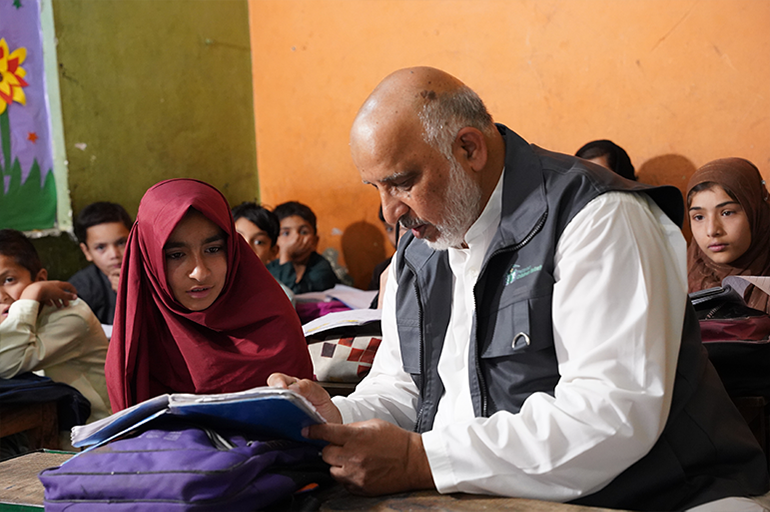
In Pakistan, millions of children spend their childhoods earning a living rather than learning in classrooms. Despite the country’s commitment to international child-rights conventions, poverty, cultural pressures, and lack of educational access continue to push young boys and girls into labor. These children sacrifice not only their education but also their health, dreams, and future. This article explores the harsh realities of child labor in Pakistan, the barriers preventing children from enrolling in school, and the urgent need for solutions that help children transition from labor to learning. By highlighting successful initiatives and sustainable strategies, we aim to support efforts that create long-term educational opportunities for every child, especially those who need education support the most. The Reality of Child Labor in Pakistan Scale and Impact Child labor remains one of Pakistan’s most pressing challenges. It is estimated that over 12.5 million children aged 5–14 are currently engaged in work many in hazardous sectors like agriculture, brick kilns, and workshops. These children often work long hours for little pay, forfeiting their right to schooling and childhood in the process. The negative impact extends far beyond missing school. These children face physical strain, exhaustion, malnutrition, and life-long health complications. Mentally, they are more susceptible to depression, stress, and emotional trauma. Instead of playing, learning, or imagining a bright future, they bear adult responsibilities far too soon. Barriers to Education for Working Children Economic Pressure & Family Realities For many low-income families, every earning hand matters. When food and survival take priority, parents often feel they have no choice but to send their children to work. With limited financial safety nets, education can feel like a luxury rather than a necessity. This is why programs that help families and support a child’s education in Pakistan play a vital role in breaking this cycle. Cultural Perceptions In some areas, education especially for boys who are expected to work or girls expected to marry early is undervalued. Families may believe schooling does little to improve livelihood opportunities. Changing mindsets requires awareness programs, community leadership, and proven success stories. Geographical & Infrastructure Barriers Many underdeveloped rural communities lack basic educational facilities. Even where schools exist, they may have no trained teachers, books, or safe learning spaces. To address this, basic learning centers in Pakistan have become essential in reaching children who otherwise have no access to education. Community, Awareness & Support Programs Role of NGOs & Local Leaders Community-based organizations are crucial in shifting attitudes toward education. Through awareness campaigns, parent counseling, and grassroots support, they help families understand how education can open doors to employment, dignity, and stability. Awareness & Advocacy Campaigns across media, mosques, and rural centers encourage families to send children to school. Public awareness is turning the conversation from “children need to work” to “children need education for a better future.” Policy & Program Recommendations Strong Enforcement of Child-Protection Laws Pakistan has laws against child labor, but enforcement remains weak. Strengthening monitoring systems and training law-enforcement can ensure that these laws protect children effectively not just exist on paper. Financial Incentives for Families To make schooling financially viable, governments and organizations should expand stipend programs, school meals, and school supplies donation in Pakistan initiatives. When families receive support, they are more willing to donate education for children in Pakistan by allowing them to attend school instead of working. Holistic Reintegration Into Education Counseling & Social Support Children returning to school often carry trauma and need emotional support. Empowering them through counseling, peer-support circles, and teacher training fosters confidence and helps them adapt. Vocational & Technical Pathways Not all children follow the same learning journey. Integrating vocational programs with formal learning creates opportunities for youth to acquire practical skills while receiving an education increasing future employment prospects. Sustainable Path Forward Long-term success depends on collaboration between government, NGOs, communities, and global partners. Regular monitoring and evaluation of education programs ensure resources reach the children who need them most. A long-term commitment is essential. The solution isn’t temporary charity — it’s sustained effort that guarantees quality education for underprivileged children and ensures access to education for poor children across Pakistan. Conclusion: A Future Where Every Child Learns Child labor will only end when children have real, accessible alternatives — and education is the most powerful alternative of all. By improving schooling options, increasing parental awareness, and strengthening financial support programs, Pakistan can help children trade labor for learning and build a future filled with opportunity. Organizations like Pakistan Children Relief (PAKCR) are leading this mission through their education support program in Pakistan, offering learning opportunities, school supplies, and safe study environments for children. Their basic learning centers in Pakistan help children who never had the chance to attend school — giving them a fresh start. When families and donors come together to support a child’s education in Pakistan, we move closer to ending the cycle of poverty and empowering future generations. Together, we can ensure that every child has a classroom instead of a work site — and a bright future instead of hardship. Frequently Asked Questions What are the main causes of child labor in Pakistan? Poverty, lack of access to schools, cultural norms, and family financial pressure are the primary drivers. How can working children be encouraged to return to school? Financial support for families, flexible learning programs, and awareness initiatives help children transition from work to school. What role do NGOs play in this cause? NGOs raise awareness, provide learning centers, offer school supplies, and run education support programs to help children re-enter school. How can the government reduce child labor? By enforcing child-protection laws, improving school infrastructure, offering family incentives, and expanding rural education programs.
The Impact of PAKCR’s WASH Projects on Rural Education
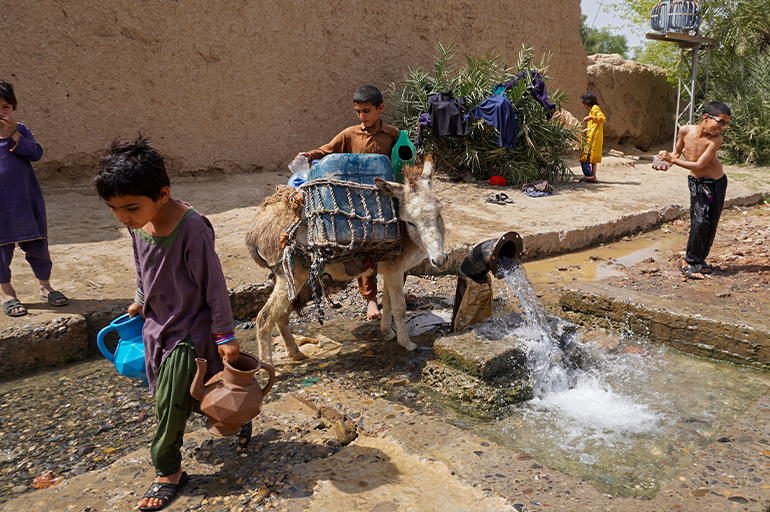
Access to clean water, adequate sanitation, and proper hygiene (WASH) is more than just a health necessity — it’s the foundation of a strong education system. In Pakistan, where rural schools often struggle with limited resources, the absence of safe drinking water and sanitation facilities creates serious barriers to learning. The Pakistan Children Relief (PAKCR) is addressing this challenge head-on through its WASH program in Pakistan, which focuses on improving clean drinking water for schools in Pakistan and raising hygiene awareness among students and teachers. These projects aren’t just about installing wells or restrooms — they’re about transforming the entire educational experience for children who deserve a safe and healthy environment to learn and grow. The Importance of WASH in Rural Education The connection between health and education is undeniable. Children who lack access to clean water or sanitation facilities in rural Pakistan often suffer from preventable diseases like diarrhea and typhoid. When kids fall sick, they miss classes; when schools don’t have proper toilets, girls especially are more likely to drop out. By ensuring reliable water supply and sanitation in Pakistan’s rural schools, PAKCR helps students stay healthy and in class. When students have clean drinking water and functioning restrooms, attendance improves, concentration rises, and academic performance follows. Simply put, a healthy child learns better — and that’s exactly what the WASH program in Pakistan aims to achieve. What Makes PAKCR’s WASH Projects Unique PAKCR’s approach is comprehensive. Instead of focusing on one aspect, its projects address three interconnected pillars: clean water, sanitation, and hygiene education. Clean Drinking Water for Schools Through wells, tanks, and filtration systems, PAKCR ensures that students have access to safe drinking water right within their schools. This reduces the time children spend fetching water from distant or unsafe sources — time they can now spend learning. Sanitation Facilities for Health and Dignity PAKCR builds and renovates sanitation facilities in rural Pakistan, including gender-segregated restrooms. This promotes privacy, dignity, and hygiene — especially important for adolescent girls, who are often forced to miss school due to inadequate facilities. Hygiene Awareness Programs Infrastructure alone isn’t enough; education is equally vital. PAKCR runs hygiene awareness programs in Pakistan that teach children the importance of handwashing, clean habits, and disease prevention. These lessons ripple out to families and communities, creating long-term behavioral change. The Long-Term Impact on Education The results of these efforts are visible in every school PAKCR reaches. Teachers report higher attendance, fewer illness-related absences, and improved focus in the classroom. Schools with clean water and proper restrooms experience an overall uplift in morale — learning becomes something children look forward to, not something they associate with discomfort or disease. In the long run, access to clean drinking water for schools in Pakistan contributes to more than just education. It nurtures healthier communities and builds a generation of students who understand the value of hygiene, sustainability, and compassion. Why Sponsorship Is Crucial for WASH Programs While the progress is inspiring, maintaining and expanding these projects requires consistent support. Many rural schools still lack reliable water supply and sanitation systems, and the existing ones need ongoing maintenance. This is where sponsorship becomes vital. When you sponsor a WASH project through Pakistan Children Relief, your contribution directly impacts children’s health and education. Each donation helps fund clean water systems, build restrooms, and run hygiene awareness programs in Pakistan’s most neglected areas. Sponsorship ensures that these facilities remain functional long after they are built — that wells are maintained, water remains clean, and hygiene education continues year after year. It’s not just a one-time act of charity; it’s an investment in a child’s future and in breaking the cycle of poverty through education. Challenges on the Road to Change Implementing WASH programs in rural Pakistan isn’t without challenges. Limited funding, outdated infrastructure, and cultural barriers can slow progress. In some areas, maintaining facilities after installation is difficult due to resource shortages or lack of technical knowledge. But through partnerships with local communities, teachers, and volunteers, PAKCR is overcoming these obstacles one step at a time. By engaging parents and school staff in the maintenance process, the organization ensures that ownership stays within the community — fostering sustainability and long-term success. The Road Ahead: Sustaining Impact Through Collective Action For PAKCR, the mission doesn’t end with building facilities; it continues with ensuring their long-term functionality and community ownership. Looking forward, the organization aims to expand its WASH program in Pakistan to more schools in remote and underserved areas. However, achieving this vision depends on collective effort. Governments, NGOs, and individual donors must work together to ensure that every child in Pakistan has access to safe water and sanitation. Clean water shouldn’t be a privilege — it’s a right that fuels education, health, and equality. Conclusion: Together, We Can Build a Healthier Future The story of PAKCR’s WASH initiatives is one of hope, resilience, and transformation. By improving water and sanitation in Pakistan’s rural schools, these projects are empowering children to dream bigger, stay in school longer, and build better futures for themselves and their communities. As we look ahead, your support can make all the difference. By sponsoring a WASH project, you’re not just funding infrastructure — you’re ensuring that every drop of water brings a brighter tomorrow. Join PAKCR today in its mission to provide clean drinking water for schools in Pakistan, promote hygiene, and create healthier learning environments. Together, we can make education safe, inclusive, and sustainable — one school, one child, and one drop at a time. Frequently Asked Questions What are WASH projects and why are they important for education? WASH projects focus on providing access to clean water, proper sanitation, and hygiene education. They are crucial for education as they promote a healthy environment, reduce absenteeism, and enhance students’ ability to learn effectively. How has PAKCR implemented WASH projects in rural areas? PAKCR has implemented WASH projects through the construction of sanitation facilities, provision of clean water sources, and
How PAKCR’s Clean Water Projects Are Improving Rural Health
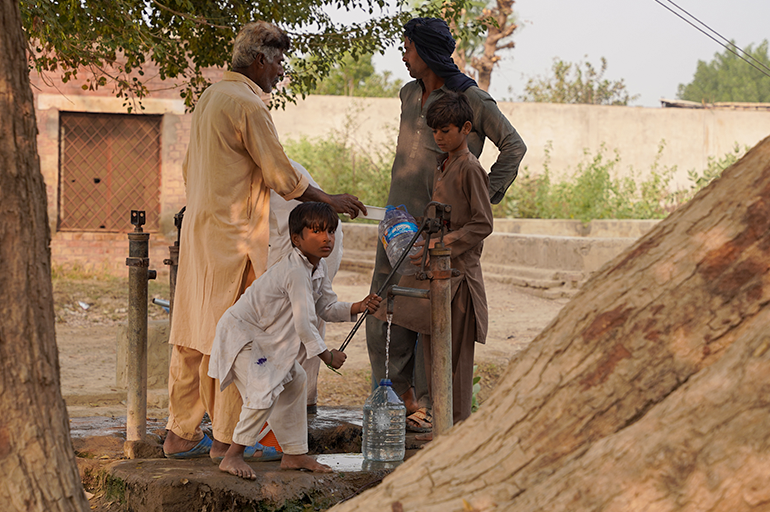
Access to clean water is a fundamental human right and a critical component of public health, particularly in rural areas where resources are often limited. PAKCR has taken significant strides in addressing the urgent need for clean water solutions in these communities. Through innovative projects and dedicated efforts, PAKCR is not only improving water quality but also enhancing overall health outcomes for rural populations. This article explores the impactful clean water initiatives led by PAKCR, examining their significance in promoting better health, sharing success stories from beneficiaries, and highlighting the challenges faced in these efforts. Overview of PAKCR and Its Mission Background of PAKCR The Pakistan Children Relief (PAKCR) is a non-profit organization that emerged from a pressing need to tackle the water quality crisis in rural areas. Founded by a group of passionate activists and professionals, PAKCR aims to ensure that every individual, regardless of their geographical location, has access to safe and clean drinking water. After witnessing the detrimental effects of contaminated water firsthand, the organization set out on a mission to transform lives by improving water infrastructure in underserved communities. The Importance of Clean Water in Rural Health The Link Between Water Quality and Health Clean water is not just a luxury; it’s a fundamental necessity for a healthy life. Poor water quality can lead to a whole host of health issues, including diarrhea, cholera, and other nasty surprises that no one wants to deal with. When communities have access to safe drinking water, they experience not just immediate health benefits but also long-term improvements in productivity and quality of life. It’s like giving a superpower to a village suddenly, people can go about their days without worrying about what they drank in the morning! Statistics on Waterborne Diseases Statistics show that waterborne diseases are responsible for an overwhelming number of illnesses in rural areas. According to the World Health Organization, around 2 billion people drink contaminated water, leading to approximately 485,000 deaths from cholera each year. In Pakistan, water-related ailments account for a significant portion of hospital visits, often overwhelming local health systems. It’s a sobering reminder that access to clean water is not just about convenience – it’s about survival. Key Clean Water Projects Initiated by PAKCR Project Descriptions and Objectives PAKCR has launched several impactful clean water projects designed to meet the unique needs of various rural communities. These initiatives include the installation of solar-powered water filtration systems, the construction of boreholes, and the implementation of rainwater harvesting systems. Each project comes with clear objectives: improve water quality, reduce reliance on unsafe sources, and educate communities on water conservation. It’s like a hydration makeover for the whole region! Geographical Focus Areas The clean water projects primarily target rural areas in regions with the highest rates of waterborne diseases, such as Sindh and Balochistan. These areas often suffer from limited resources and extreme weather conditions, making access to clean water even more critical. By concentrating efforts in these geographical hotspots, PAKCR aims to create ripple effects that not only improve local health outcomes but also inspire neighboring communities to follow suit. Impact of Clean Water on Community Health Outcomes Reduction in Waterborne Illnesses The introduction of clean drinking water in Pakistan has yielded impressive results in terms of health outcomes. Communities that once struggled with high rates of waterborne illnesses have reported significant reductions in diseases like diarrhea and typhoid fever. Preliminary data show that areas with PAKCR projects have seen a drop of up to 40% in reported cases of these ailments. When you think about it, that’s a lot less suffering and a lot more thriving! Improved Hygiene Practices With clean water comes better hygiene practices. PAKCR’s efforts don’t just stop at providing safe drinking water; they also educate communities about the importance of sanitation and hygiene. Access to clean water enables families to maintain better personal and household hygiene, contributing to a noticeable decrease in illness. People are washing their hands more often, children are healthier, and communities are learning to embrace practices that promote overall well-being. It’s a win-win that has everybody cheering! Challenges Faced in Implementing Clean Water Solutions Infrastructure Issues Imagine trying to build a sandcastle without sand—yup, that’s the kind of challenge PAKCR faces with outdated and crumbling infrastructure in rural areas. Many regions lack the necessary pipes and filtration systems, making clean water access feel like a game of hide-and-seek. To tackle this, PAKCR is working on getting creative with local resources and engaging communities to help build better systems. Community Engagement and Education A clean water system is only as good as the people who use it. It’s like giving a fish a bicycle, not very helpful, right? Community buy-in and education are essential. PAKCR has found that some residents need convincing; they want to understand why they should trade their bucket for a tap. Through workshops and demonstrations, they’re making the case that clean water equals better health…and fewer trips to the doctor! Future Directions for PAKCR’s Clean Water Initiatives Upcoming Projects and Plans PAKCR is not stopping at just a few successful projects. They have exciting plans bubbling up like a wellspring! Upcoming initiatives include expanding the clean water infrastructure to more remote villages and integrating sustainable practices, such as rainwater harvesting. They aim to have every community saying, “Water? Yes, please!” in the next few years. Partnerships and Collaborations Two heads are better than one, and PAKCR knows that well. They’re actively seeking partnerships with local governments, NGOs, and even tech companies fierce about innovative solutions for rural water access. By pooling resources and expertise, they’re stirring the pot for more comprehensive and lasting clean water solutions. How to Support and Get Involved with PAKCR In conclusion, PAKCR’s clean water projects are making a profound difference in the lives of rural communities, promoting healthier
How Digital Literacy Is Transforming Technical Education in Rural Pakistan
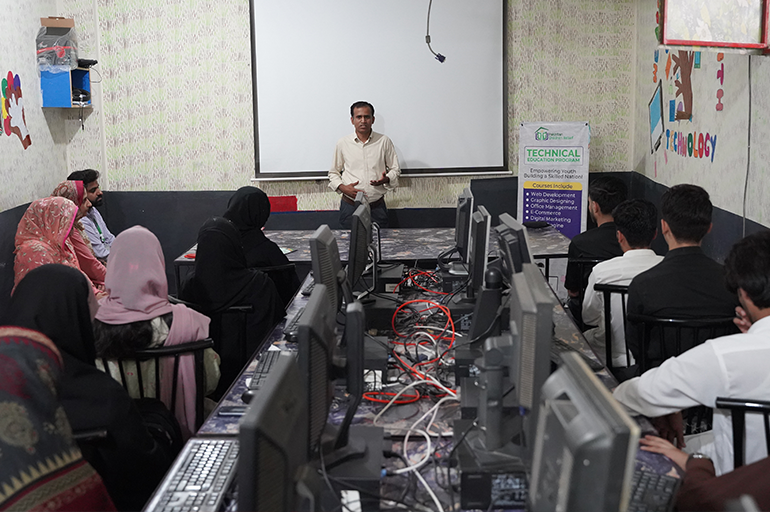
In recent years, digital literacy has become a cornerstone of modern education, especially in rural regions of Pakistan where traditional learning systems often lag behind. As the world transitions into a technology-driven economy, the ability to use and understand digital tools is no longer optional it’s essential. In rural areas where educational resources are limited, improving digital literacy can empower students, enhance employability, and open pathways to new opportunities. Integrating technology into technical education programs in Pakistan is helping bridge the learning gap and create a more inclusive, skill-based education system.I The Importance of Digital Literacy in Rural Education Defining Digital Literacy Digital literacy extends far beyond knowing how to use a computer it encompasses the ability to navigate digital platforms, analyze online information, and use technology for learning and problem-solving. In rural schools, these skills enable students to access a world of knowledge beyond textbooks, connecting them to global learning opportunities and digital communities. Benefits of Digital Skills for Students For students in rural areas, digital literacy can be life-changing. Access to online courses, virtual libraries, and interactive platforms allows them to learn subjects and skills not offered locally. These digital competencies also improve job prospects since nearly every modern career requires a degree of tech proficiency. In essence, digital skills empower rural youth to compete in a national and international workforce, breaking cycles of poverty and limited opportunity. The Current State of Technical Education in Rural Pakistan Overview of Existing Institutions While rural Pakistan has a network of vocational and technical training centers, many are hindered by outdated facilities and limited technological resources. Classrooms often lack modern computers, reliable internet, or updated learning materials. This makes it difficult for instructors to teach skills relevant to today’s industries. Curriculum Gaps and Limitations The curriculum in most vocational training programs in Pakistan needs modernization. Many still rely on outdated manuals and tools that don’t reflect current job market needs. As a result, students graduate without the practical or digital skills required by employers. Revamping curricula to include technology-driven courses such as coding, digital marketing, and technical software use is crucial for bridging this gap. Barriers to Digital Access for Rural Students Lack of Infrastructure and Connectivity Limited access to electricity, internet, and technological equipment poses one of the biggest challenges to rural digital education. Many schools in remote areas still lack computer labs or reliable power sources, leaving students disconnected from digital learning platforms. Socioeconomic Barriers Financial constraints are another major obstacle. For many rural families, purchasing a computer or paying for internet access remains unaffordable. When basic needs take priority, education—especially digital education becomes secondary. Bridging this divide requires collective effort through community-based support, public funding, and NGO initiatives. Integrating Technology into Technical Education Modern Teaching Approaches To make learning more dynamic, educators must adopt hybrid models that combine traditional teaching with online learning. Interactive lessons, virtual workshops, and multimedia tools can enhance understanding and engagement. Teachers trained in digital tools can transform passive classrooms into collaborative learning spaces. Collaborations with NGOs and Tech Companies Public-private partnerships are playing an increasingly important role in upgrading technical education. Organizations like Pakistan Children Relief (PAKCR) and local NGOs collaborate with tech companies to provide teacher training, computer labs, and digital skills training for youth. These partnerships help align educational content with industry needs while providing hands-on exposure to real-world tools and technologies. The Role of Skill Development and Training Programs To equip students for employment, skill development programs and vocational training programs in Pakistan are being integrated with digital components. These programs focus on teaching practical, job-oriented skills—ranging from IT and graphic design to renewable energy technologies and basic entrepreneurship. Moreover, promoting skill development for children at an early stage can nurture curiosity and confidence in technology use, preparing future generations for a digital workforce. The Employment Impact of Digital Literacy Digital literacy directly correlates with employability. As industries automate and digitize, demand grows for professionals who can operate software systems, manage online platforms, and adapt to evolving technologies. Youth from rural regions with technical and digital training are finding work in diverse fields such as e-commerce, IT support, and online freelancing. Remote work opportunities now enable many to contribute economically without migrating to urban centers. Additionally, entrepreneurship is flourishing in rural areas. Equipped with digital tools, young innovators are launching small online businesses, selling handmade goods, and promoting local products through social media. This digital empowerment is transforming local economies from the ground up. Future Prospects for Digital Education in Rural Areas The future of digital learning in Pakistan lies in innovation and inclusivity. Blended learning models, gamified education apps, and mobile classrooms are making education more interactive and accessible. Mobile phones, in particular, have become a powerful tool for rural learning—bringing lessons, tutorials, and digital libraries directly into students’ hands. To sustain these advancements, community involvement is crucial. When parents, local leaders, and teachers collectively advocate for digital education, it fosters a culture that values learning and technological progress. Community centers equipped with internet access can serve as shared learning hubs, expanding educational opportunities for all ages. Policy Recommendations and the Way Forward Government support remains the cornerstone of progress. Increased funding for rural internet infrastructure, teacher training, and digital devices is essential to expanding reach. Policymakers must also promote collaborations between schools, NGOs, and the private sector to scale successful digital programs. Regular monitoring and data-driven evaluations will ensure that digital education initiatives remain effective and equitable. Conclusion: Empowering the Next Generation Integrating digital literacy into technical education programs in Pakistan has the power to revolutionize rural learning and empower youth with employable skills. By strengthening skill development programs, improving access to technology, and investing in sustainable educational infrastructure, Pakistan can bridge the divide between rural and urban education. Organizations like Pakistan Children Relief (PAKCR) are at the forefront of this transformation—implementing digital training, teacher empowerment, and community outreach initiatives that ensure no child is left behind. With continued collaboration and commitment, the dream of a digitally
The Long-Term Impact of Education Support on Breaking the Cycle of Poverty in Pakistan
Poverty remains one of Pakistan’s greatest challenges, affecting millions of families and limiting the nation’s growth potential. From the Global Education Monitoring (GEM) report, noting that poverty is one of the main obstacles to access to quality education and that inclusive education is foundational to breaking that cycle. Despite government initiatives, millions of children remain out of school. Poverty, inadequate infrastructure, and cultural barriers remain major obstacles, but education support programs are bringing hope and change. This article explores the role of education support programs in Pakistan, successful models, and how individuals and organizations can take action to uplift underprivileged children. Poverty and Education: The Missing Link Around 24% of Pakistan’s population lives below the national poverty line, according to the World Bank. Rural communities are impacted most, where schools are often under-resourced or completely absent. In these areas, families struggling to meet basic needs frequently prioritize child labor over learning, with girls disproportionately affected. (World Bank Poverty Data – Pakistan) Yet research consistently shows that access to education for poor children has a direct impact on economic growth. Education opens doors to employment, enhances health outcomes, and fosters civic engagement. In short, supporting a child’s education in Pakistan doesn’t just change one life—it strengthens entire communities. Education Support Programs Making a Difference In recent years, various organizations have stepped in to fill gaps left by public education. The Pakistan Children Relief education initiative, alongside other nonprofits, has launched innovative approaches to reach marginalized communities. 1. Scholarships and Financial Support By providing tuition fees, uniforms, and books, scholarships reduce the financial burden on families. This kind of aid allows parents to keep their children in school instead of pushing them into labor. Donors who support a child’s education in Pakistan ensure consistent learning opportunities. 2. Basic Learning Centers in Pakistan For children in rural and underprivileged communities, basic learning centers in Pakistan provide flexible and accessible schooling. These centers are especially effective in addressing barriers such as long distances to formal schools. 3. School Supplies Donation in Pakistan Something as simple as a backpack, notebooks, or stationery can transform a child’s ability to learn. Many education support programs organize school supplies donation in Pakistan, ensuring no child is left behind because they lack the tools to study. 4. Teacher Training and Community Involvement Quality education for underprivileged children depends on skilled educators. Programs that invest in teacher training and engage local communities see stronger results. Parents become advocates, and children are more likely to stay in school. 5. Vocational and Skills Training For older children and youth, skill development programs prepare them for employment. This approach not only reduces poverty but also boosts Pakistan’s local economies by creating a skilled workforce. Why Donating to Education Matters Every contribution counts. When individuals or corporations donate education for children in Pakistan, they provide more than books or tuition; they provide a pathway out of poverty. Ways to give include: Sponsoring a child’s education. Funding new classrooms or basic learning centers. Supporting teacher training initiatives. Contributing to school supplies drives. Long-Term Benefits of Education The impact of education goes far beyond academics: Health Improvements: Educated children grow into adults who make better health and nutrition choices, reducing preventable diseases. Generational Change: Parents who attend school are more likely to educate their children, breaking cycles of illiteracy. Civic Participation: Education encourages people to vote, advocate, and participate in building stronger communities. Challenges Ahead Despite progress, challenges remain. Many schools in rural areas still lack basic infrastructure, sometimes even roofs or clean drinking water. Cultural barriers, particularly for girls, persist. And political and economic instability often shift attention away from education reforms. Overcoming these hurdles requires collaboration among government, private donors, NGOs, and local communities. Conclusion: Education is not just a privilege, it’s a fundamental right and a powerful weapon against poverty. By supporting initiatives like scholarships, school supplies donation in Pakistan, and basic learning centers, we can ensure quality education for underprivileged children becomes a reality. Organizations such as Pakistan Children Relief are leading the charge, but they can’t do it alone. By choosing to donate education for children in Pakistan, you can directly transform lives, empower communities, and invest in a brighter future for the nation. Together, we can make education the bridge that lifts Pakistan’s children out of poverty and into opportunity.
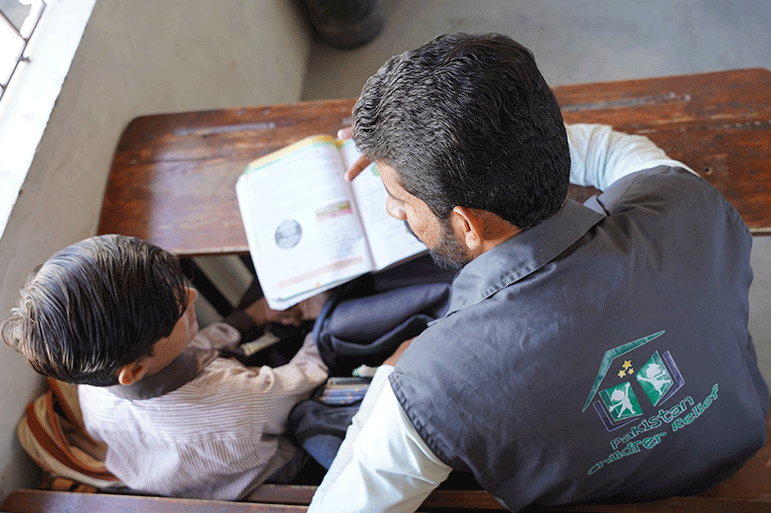
How School Infrastructure and Resources Improve Learning for Underprivileged Students
Education is the cornerstone of societal progress, yet millions of children in Pakistan remain deprived of this fundamental right due to poverty, lack of infrastructure, and economic disparities. Education support programs play a pivotal role in addressing these challenges by providing access to quality education for underprivileged children, ensuring they have the opportunity to break the cycle of poverty and contribute meaningfully to society. The State of Education in Pakistan Pakistan faces significant challenges in its education sector, with approximately 22.8 million children out of school (According to UNICEF), the second-highest number globally. Rural areas suffer the most due to inadequate schools, untrained teachers, and financial constraints that force families to prioritize labor over learning. Gender disparity further exacerbates the problem, as cultural norms often discourage girls from attending school. According to UNICEF, many children who do attend school still struggle with basic literacy and numeracy skills. (Resource: Education emergency: now or never) Despite government efforts, public schools frequently lack basic facilities, qualified educators, and updated curricula. This gap has led to the rise of nonprofit organizations and education support programs that aim to fill these deficiencies by establishing schools, sponsoring students, and improving educational standards. The World Bank also highlights that Pakistan devotes a notably low share of its GDP to education (about 1.8–2 %), contributing to weak infrastructure and teacher shortages. World Bank The Role of Education Support Programs Education support initiatives focus on multiple fronts to ensure quality education for underprivileged children: Scholarships and Financial Aid Many programs provide scholarships to cover tuition fees, books, and uniforms, enabling children from low-income families to attend school. By offering financial assistance, donors can support a child’s education in Pakistan and help them stay enrolled. School Infrastructure Development Organizations like PAKCR invest in building and renovating schools, ensuring safe and conducive learning environments. Proper classrooms, libraries, and sanitation facilities significantly enhance student retention rates. Teacher Training Programs Quality education depends on skilled educators. Support programs often include teacher training workshops to improve pedagogical techniques, ensuring students receive effective instruction. Community Engagement and Awareness Many initiatives work with local communities to emphasize the importance of education, particularly for girls. Awareness campaigns encourage parents to send their children to school instead of engaging them in child labor. Vocational and Skill-Based Training For older students, vocational training programs equip them with practical skills, improving employability and economic independence. How to Donate for Education in Pakistan Individuals and corporations can contribute to these efforts in several ways: – Sponsor a Child: Monthly contributions for a child’s education ensure they receive schooling, meals, and necessary supplies. – Fund School Construction: Donations can help build new schools or renovate existing ones in underserved areas. – Support Teacher Training: Contributions can fund instructor development programs, raising teaching standards. – Corporate Social Responsibility (CSR): Businesses can partner with NGOs to fund large-scale education projects. The Way Forward While progress has been made, much work remains to ensure every child in Pakistan has access to education. Sustainable funding, policy reforms, and community involvement are crucial to scaling these efforts. By choosing to donate education for children in Pakistan, individuals and organizations can create lasting change, empowering future generations with the knowledge and skills needed for a brighter future. Education is not merely a privilege but a right that must be accessible to all. Through collective action, we can bridge the educational divide and build a more equitable society where every child has the chance to learn, grow, and thrive.
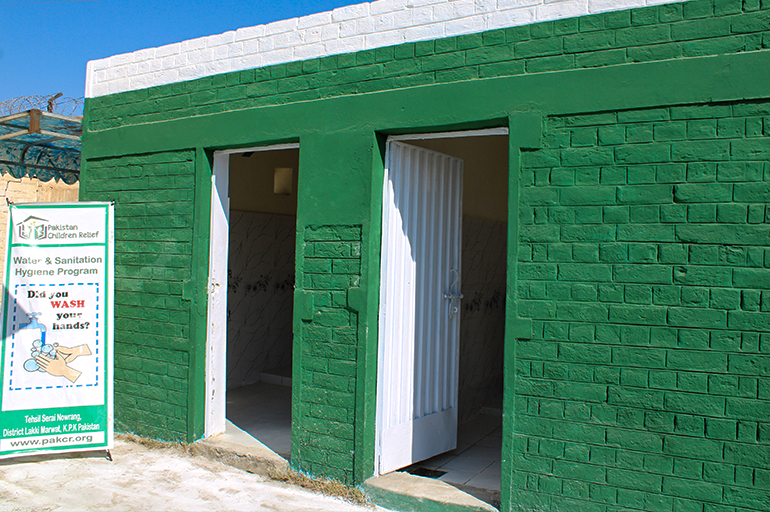
How Clean Water and Hygiene Programs in Pakistan Are Transforming Communities
Pakistan faces a critical water crisis in Pakistan that affects millions daily, especially in rural communities where access to safe water and proper sanitation remains limited. This guide explores the challenges of water supply and sanitation in Pakistan and highlights efforts by government, NGOs, and communities to address them. Current Water Crisis Challenges Alarming Statistics on Water Scarcity and Quality Pakistan is among the world’s most water-stressed nations, with per capita availability dropping to 908 cubic meters annually. Only 36% of the population has access to safely managed drinking water, while 20 million people lack safe water altogether (UNICEF – Water, Sanitation and Hygiene (WASH) in Pakistan). Contamination is severe—40% of deaths link to water-related diseases. Groundwater depletion in cities like Karachi and Lahore worsens the crisis, with wells increasingly contaminated by arsenic and fluoride. Geographic Disparities Urban areas enjoy 94% coverage for basic water services, compared to just 69% in rural regions. Safely managed water drops further 54% in cities versus 25% in rural areas. Many rural families walk kilometers daily for unsafe water, while sanitation facilities in rural Pakistan lag with only 69% coverage. Open defecation affects nearly 25 million people. Health Impacts Unsafe water drives a public health emergency. Around 53,000 children die annually from diarrhea, while typhoid, hepatitis, and arsenic poisoning remain widespread. Hygiene awareness programs in Pakistan show communities with better water education see up to 25% fewer waterborne diseases. Economic Burden Families in water-scarce areas spend up to 20% of their income on water. Healthcare costs for waterborne diseases push many into debt, while lost productivity and school absences deepen poverty. Economists estimate poor water and sanitation cost Pakistan 3.9% of GDP annually. (WaterAid Pakistan) Sanitation Infrastructure Development Sewage Treatment in Cities Urban centers lack adequate sewage treatment. Karachi treats less than 10% of its wastewater, and Lahore just 20%, leaving raw sewage to contaminate rivers. Islamabad fares better with 87% coverage, but overall national treatment remains far below needs. Rural Sanitation Programs Around 40% of rural households lack improved toilets. Government and water and sanitation NGO Pakistan initiatives have built latrines, promoted the community-led total sanitation (CLTS) approach, and improved school sanitation. Programs like the Punjab Rural Sanitation Program and NGO efforts from WaterAid and Oxfam have reached thousands of households. Waste Management and Community Solutions Poor waste management contaminates water nationwide. Cities collect only 30–70% of waste, with most dumped in open sites. Community-driven solutions, such as village committees and sanitation entrepreneurs, are helping fill gaps. School-based programs also provide clean drinking water for schools in Pakistan alongside hygiene education. Educational Institutions and WASH Programs School Water Systems Many schools lack reliable water access. WASH program in Pakistan initiatives provide pumps, storage tanks, and filtration, ensuring safe, sustainable water for students. Maintenance training for teachers and community water committees helps keep systems functional. Student Health Benefits Improved sanitation facilities in rural Pakistan schools reduce waterborne diseases, improving attendance and performance. Girls benefit most from clean toilets and menstrual hygiene facilities that allow them to stay in school. Hygiene Education Teacher training is central to hygiene awareness programs in Pakistan, with interactive lessons, posters, and peer-to-peer models reinforcing daily habits. Older students often serve as “hygiene ambassadors” for younger children. Sustainable Solutions and Future Strategies Technology and Climate Resilience New technologies are addressing the crisis. Solar-powered filtration and mobile treatment units provide safe water in remote areas. Smart monitoring reduces leakage by up to 40%. Climate-adaptive infrastructure—rainwater harvesting, groundwater recharge, and elevated sanitation systems—helps communities cope with droughts and floods. Partnerships and Innovation Public-private partnerships and microfinance schemes expand reach, enabling families to install private toilets or water connections. NGOs and companies fund hygiene awareness programs in Pakistan, while startups and innovation hubs adapt new technologies for local needs. Conclusion Pakistan’s water crisis requires urgent, coordinated action. From city sewage upgrades to sanitation facilities in rural Pakistan and clean drinking water for schools in Pakistan, progress is being made, but challenges remain vast. Supporting water and sanitation NGO Pakistan initiatives ensures communities access safe water, improved sanitation, and better health outcomes. Organizations like Pakistan Children Relief (PAKCR) are at the forefront of these efforts, working through WASH program in Pakistan projects that bring sustainable water solutions, empower schools, and transform rural communities. By supporting such initiatives, every contribution helps create ripple effects that improve health, education, and livelihoods across Pakistan.
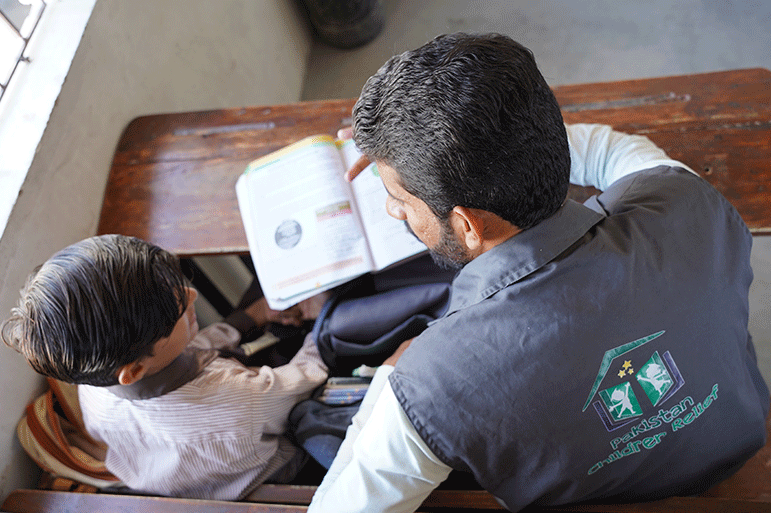
The Role of Education in Empowering Orphaned Children for a Better Future
Education is more than just a classroom experience, it’s a powerful tool to break cycles of poverty and neglect. For orphaned children, access to quality education can mean the difference between vulnerability and empowerment. These children face unique emotional, psychological, and socioeconomic challenges, often leaving them at the margins of society. But with the right support, education can open doors to opportunity, dignity, and hope. Understanding the Challenges Orphaned Children Face Emotional and Psychological Barriers The loss of parents leaves a lasting emotional impact. Orphaned children often struggle with grief, abandonment, anxiety, and depression. These feelings make it difficult to focus on education, creating a cycle where emotional pain limits academic success. Without emotional support, even the brightest child can lose confidence and direction. Socioeconomic and Basic Needs For many orphans, financial instability is a major hurdle. When basic needs like food, clothing, and shelter are uncertain, education becomes secondary. A hungry or insecure child cannot thrive in school. Lack of access to school supplies, uniforms, or transportation further widens the gap. Why Education Matters Building Cognitive and Social Skills Education fuels curiosity, problem-solving, and critical thinking. It gives orphaned children the tools to analyze their world and build a better future. Beyond academics, schools are safe spaces for children to make friends, build social skills, and develop emotional intelligence. Breaking the Cycle of Poverty Access to education improves long-term employment opportunities, boosts confidence, and reduces vulnerability to exploitation. Children who complete education are more likely to escape poverty and contribute positively to their communities. Successful Orphan Education Programs Local Initiatives Making a Difference Community-led orphan care programs in Pakistan are proving that targeted education can change lives. Many local initiatives combine formal schooling with life skills training, ensuring children not only learn but also grow into empowered young adults. Global Best Practices International organizations like UNICEF have shown how inclusive, culturally sensitive education programs can transform outcomes for orphaned children worldwide. Storytelling, mentorship, and vocational training are just some of the innovative approaches making an impact. The Role of Nonprofits and Government Funding and Resources Nonprofit organizations for children and government initiatives are essential in bridging educational gaps. Through scholarships, school supplies, and learning centers, they remove financial barriers and give orphaned children a fair chance. Community Collaboration Collaboration between nonprofits, schools, and local communities creates a strong orphan support system. When communities get involved, children receive not only education but also mentorship and emotional care an essential foundation for lasting change. Policy and Legal Protection Strong policies ensure orphaned children have legal rights to quality education and protection from neglect. Advocacy helps build this safety net, ensuring no child is left behind. Bridging the Gap in Education Access Removing Barriers to Enrollment Many orphaned children struggle with documentation, stigma, or lack of transportation. Addressing these issues with flexible enrollment, school transport support, and community awareness can dramatically increase attendance and retention. Innovative Learning Solutions Technology and alternative education models are breaking down barriers for children in remote areas. Mobile classrooms, digital learning platforms, and blended education ensure that children can learn wherever they are. Inclusive Learning Environments Inclusive classrooms foster belonging and confidence. Training teachers in empathy and cultural sensitivity creates safe spaces where orphaned children can express themselves and thrive. Empowerment Through Skills and Vocational Training Life Skills for Independence Education for orphaned children must go beyond textbooks. Teaching practical skills like budgeting, cooking, communication, and time management helps them lead independent lives with confidence. Partnerships with Local Businesses By collaborating with businesses, schools can offer hands-on vocational training and internships. This approach gives orphaned youth marketable skills and job opportunities, preparing them for real-world challenges. Fostering Entrepreneurship Entrepreneurship training empowers youth to start small businesses, promoting self-reliance. Whether through crafts, digital skills, or services, these programs turn dreams into sustainable livelihoods. Building Community and Emotional Support Strengthening Support Networks Communities play a key role in supporting orphaned children. Emotional care, peer groups, and mentorship can provide stability and encouragement, helping children focus on their growth and education. Caregivers and Mentorship Strong caregiver relationships and structured mentorship programs help children navigate academic and emotional challenges. Mentors serve as role models, guiding youth toward success and resilience. Future Perspectives: Creating Sustainable Change Innovative Educational Models Project-based learning, blended education, and experiential teaching methods can better engage orphaned children and make education more relevant to their lives. Global Partnerships Collaborating with international organizations and nonprofits creates sustainable support systems, pooling expertise and resources to address educational challenges holistically. Embracing Technology E-learning tools and digital education platforms make learning accessible and engaging, especially for children in underserved areas. Conclusion: A Call to Action Education for orphaned children is more than just a basic right—it’s a pathway to breaking poverty and building hope. By addressing emotional, financial, and systemic barriers, we can create lasting change. International organizations like UNICEF and offer inspiring models, but local action is just as critical. Pakistan Children Relief (PAKCR) is committed to providing education, care, and support for orphaned children across Pakistan. By supporting their orphan care programs, sponsoring a child, or contributing to education initiatives, you can help transform lives. Together, we can ensure every orphaned child has the chance to learn, grow, and lead a brighter tomorrow. FAQs What are the main challenges faced by orphaned children in accessing education? Orphaned children often encounter emotional and psychological trauma, socioeconomic barriers, and a lack of access to basic needs, which can hinder their ability to enroll and succeed in educational programs. How can educational programs specifically benefit orphaned children? Educational programs can provide orphaned children with cognitive skills, social and emotional development, and long-term opportunities for personal and professional growth, ultimately empowering them to break free from cycles of poverty. What role do nonprofits play in supporting the education of orphaned children? Nonprofits often provide essential funding, resources, and community support, partnering with local initiatives to create tailored educational programs that address the unique needs of orphaned
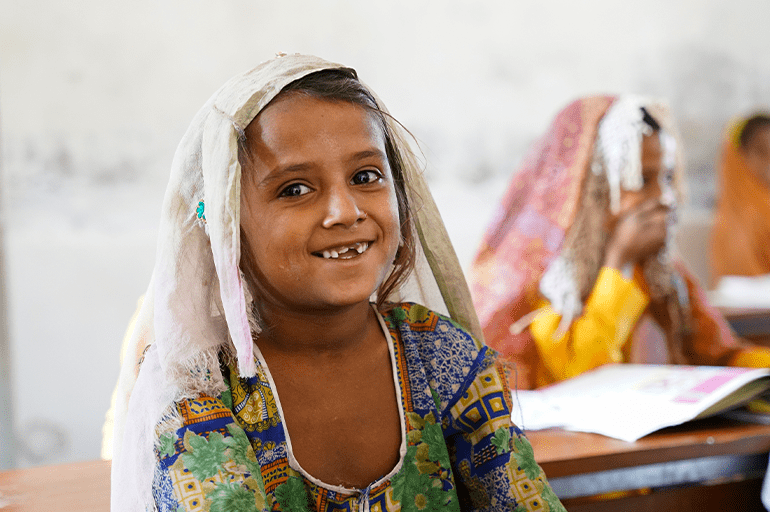
Everything You Need to Know Before Sponsoring a Child in Pakistan
Child sponsorship offers a direct way to support children in need worldwide, and Pakistan is a country where such help can make a significant difference. Sponsoring a child can provide them with essential resources, including education, healthcare, and nutrition, offering a path to a brighter future. This article provides vital information needed to make an informed decision before committing to child sponsorship in Pakistan. Understanding the process helps ensure your contribution has a lasting, positive impact. What to Expect as a Child Sponsor in Pakistan When you sponsor a child in Pakistan, you typically commit to providing regular financial support. This support helps cover the child’s basic needs. Many programs focus on education, ensuring the child can attend school and receive necessary supplies. Organizations, like Pakistan Child Relief, offer comprehensive programs that provide not just education, but also food, shelter, healthcare, and psychological support for the entire family. You can expect to receive updates on the child’s progress, often including letters, drawings, and academic reports. These communications help foster a personal connection, showing you the direct impact of your generosity. Always look for organizations that prioritize transparency and regular communication between sponsors and children. Financial Planning: Monthly vs. Annual Sponsorship Consider your budget and financial stability when choosing a payment plan. Annual payments can sometimes offer a slight discount or simplify your accounting. Monthly payments can spread the cost, making it more manageable for some sponsors. Review the organization’s policies on payment methods, such as direct debit or credit card, and any associated fees. How to Select a Trusted Orphanage Support Services Organization Choosing the right organization is crucial for effective child sponsorship. Start by researching various charities. Look for organizations with a long history of impactful work in Pakistan. Reputable organizations like Pakistan Child Relief offer detailed information on how sponsorship works and how they create lasting impact. Key factors to consider include the organization’s mission, its operational transparency, and its financial accountability. Check if they are registered with relevant government bodies like the national council of social welfare and if they undergo regular audits. Organizations that clearly outline where your money goes and provide regular reports are generally more trustworthy. Look for reviews and testimonials from other sponsors to gauge their experiences. Convoy of Hope provides a list of best child sponsorship organizations, which can be useful when researching. Key Questions to Ask Before You Sponsor Before committing to sponsorship in Pakistan, prepare a list of questions to ask the organization. This helps clarify their processes and ensures your expectations align with their services. Here are some essential questions: How are sponsor funds specifically used to benefit the child and their community? What is the process for communicating with the child I sponsor? How often will I receive updates on the child’s progress and well-being? What is the duration of the sponsorship program, and what happens if I need to discontinue my support? What measures are in place to protect the child’s privacy and safety? Can I visit the child, and what are the procedures for such visits? Asking these questions helps you understand the program’s specifics and the organization’s commitment to the children and their sponsors. Understanding Legal and Transparency Aspects Transparency is paramount in child sponsorship. A trustworthy organization will be open about its operations and finances. Organizations should also adhere to ethical guidelines for child welfare and protection. This includes policies on safeguarding children from exploitation and ensuring their privacy. Check if the organization provides annual reports, financial statements, and details on how administrative costs are managed. How to Stay Connected With the Child You Sponsor Maintaining a connection with the child you sponsor can be a rewarding part of the experience. Most organizations facilitate communication through letters and updates. You might receive handwritten letters, drawings, or photographs from the child. Many programs also send regular progress reports on the child’s academic performance and overall well-being. Some organizations may offer opportunities for direct communication, such as video calls, though these are less common due to logistical and privacy considerations. Always follow the organization’s guidelines for communication to ensure the child’s safety and well-being. These interactions reinforce the bond and allow you to see the tangible effects of your support. Conclusion Sponsoring a child in Pakistan is a profound and impactful decision. It offers a direct way to provide essential support, fostering hope and opportunity for vulnerable children. By understanding what to expect, planning your finances, carefully selecting a trusted organization, asking key questions, and reviewing transparency aspects, you can make an informed choice. With Pakistan Children Relief (PAKCR), your commitment can significantly change a child’s life, helping them build a foundation for a brighter future.
How Vocational Training Opens Doors to Employment for Pakistan’s Youth
Finding a good job is tough for many young people in Pakistan. Traditional degrees don’t always guarantee work, and the gap between what schools teach and what employers want keeps growing. That’s where PAKCR vocational training steps in. It’s a powerful tool that prepares young Pakistanis for the real world, giving them practical skills and a shot at a brighter future. This post explores how vocational training paves easier paths to employment and why it deserves more attention across the country. Understanding Vocational Training in Pakistan Vocational training focuses on hands-on skills and practical learning rather than theory-heavy lessons. Programs cover a wide range of trades, including construction, technology, healthcare, electrical work, plumbing, tailoring, beauty services, and more. These skills are in high demand nationwide, especially as Pakistan’s economy shifts and evolves. Vocational training programs in Pakistan differ from standard academic routes because they teach what workplaces actually need. Instead of long lectures, most of the time is spent building real abilities, like fixing machines, managing computer networks, or repairing vehicles. How Vocational Training Boosts Job Opportunities for Youth With Pakistan’s youth unemployment rates high, practical skills have become a valuable ticket to steady work. Employers across the country want candidates who can start contributing right away—not just those with degrees on paper. Many vocational programs teach technical skills like: Computer and IT support Electrical installation and maintenance Automotive repair Plumbing and refrigeration Tailoring and garment production Health care support Training centers practice what workplaces preach. Students don’t just read about wiring a house, they actually wire it, working with real tools. This builds confidence and makes young people much more appealing to businesses looking to hire. Many trainees even land jobs through internships provided during their courses. Closing the Skills Gap Pakistani businesses often struggle to find the skilled workers they need. The mismatch between what the education system turns out and what employers want creates a stubborn “skills gap”. Vocational training fills this need. According to government sources, thousands of skilled jobs go unfilled every year, not for lack of candidates but because applicants lack relevant skills. Through programs managed by organizations like NAVTTC, young people gain expertise in fields with the highest demand. Data shows that graduates from vocational institutes have a higher employment rate compared to those from purely academic backgrounds. Imagine the economy as a puzzle. When young people fit their skills into the right place, businesses run smoother and growth speeds up. The country doesn’t just add workers, it adds valuable contributors. Encouraging Entrepreneurship and Small Businesses Vocational training doesn’t just prepare youth to work for others—it lays the foundation for starting their own businesses. In cities and rural towns alike, skilled young people open small shops, provide freelance services, or run trade-based micro-enterprises. Take tailoring, plumbing, or mobile phone repair: these skills require minimal startup costs but offer reliable income. Stories of young Pakistanis launching businesses after completing training courses keep growing. In smaller communities, these new businesses do more than raise the owner’s income; they create local jobs and make vital services available closer to home. Digital skills, taught by efforts like the Digital Youth Hub, are connecting young Pakistanis to freelance gigs and online businesses too. Challenges and the Way Forward Several barriers hold back the full promise of vocational training in Pakistan. Girls and young women often face cultural barriers that limit their enrollment. Many families may not understand the earning potential these careers provide, still seeing university degrees as the “safe” choice. Some rural areas lack access to training centers or up-to-date equipment. There are ways forward. Better outreach and awareness: Campaigns can educate families and students about new career paths and earning potential. More government and private investment: Upgrading centers, tools, and courses keeps programs relevant. Inclusive initiatives: Programs focused on women, those with disabilities, and rural youth ensure nobody is left behind. Career counseling in schools: Early guidance helps students make smarter choices about their futures. Programs like the Prime Minister’s Youth Skill Development Program and USAID Skills for Youth Project already show positive results, but they need more support for wider reach. Conclusion Vocational training is changing lives for Pakistan’s youth. It’s opening doors to real jobs, higher incomes, and hope for the future. With practical, hands-on learning, young people can skip the wait for elusive office work and start building careers that matter both to themselves and their communities. Backing more vocational education isn’t just good for those who take the courses. It strengthens the fabric of the whole country, creating skilled workers, sparking new businesses, and driving local economies forward. At Pakistan Children Relief, our Technical Education Program in Pakistan is committed to giving children, especially orphans, the chance to gain valuable skills and build brighter futures. By choosing to support technical education in Pakistan, you’re not only empowering young individuals but also investing in the nation’s long-term strength and prosperity.

How Monthly Donations Transforming Orphan Care in Pakistan
Hundreds of thousands of children in Pakistan face life without parents. They often live in tough conditions with limited help. These young lives deserve a chance at a bright future, but resources for their care are often scarce. Many orphanages struggle daily to meet basic needs for the kids they look after. According to a UNICEF report, “Pakistan is home to over 4.2 million orphaned children, many deprived of access to education, healthcare, and proper care.” (Source: Exceptional steps required to improve 4.2m orphans’ status ) Monthly donations and consistent orphan support in Pakistan offer a steady and powerful way to help. They provide a predictable income that orphanages truly need. This ongoing support can change how these homes operate, moving from simply surviving to truly thriving. It offers a promise of stability and hope for children who have lost so much. This article will show how consistent monthly financial gifts transform the lives of orphaned children in Pakistan. We will explore the deep, positive changes that happen when support is reliable, far beyond what one-time donations can achieve. Understanding the Landscape of Orphan Care in Pakistan Getting a clear picture of orphan care in Pakistan helps us see the need for help. Many kids lack a safe home and steady care. This section sets the stage for why predictable support is so important. The Scale of the Challenge Pakistan has a huge number of orphaned children. Many have lost their parents due to poverty, illness, or conflict. These children often live without proper shelter, food, or education. They face a world full of dangers and uncertainties every day. Providing consistent care for so many is a massive task for any organization. This is why strong orphanage support services organizations are vital to meeting these needs. They work daily to ensure children are safe, fed, and given the chance to study. The Power of Predictability: How Monthly Donations Transform Operations Regular monthly donations create real change. They give orphanages a steady income that makes it easier to plan, grow, and care for children consistently. Ensuring Stable Operating Budgets When donors choose to sponsor an orphan in Pakistan through monthly gifts, it creates a steady flow of money. This lets orphanages plan their spending with confidence. They can buy enough food, pay for safe shelter, and keep the lights on. This stability prevents last-minute worries about basic needs. It ensures children always have what they need to live comfortably and safely. Facilitating Long-Term Planning and Development With stable funding, orphanages can look to the future. They can invest in bigger projects, like adding new classrooms or fixing buildings. They can also start educational programs or health check-ups that need ongoing money. This kind of planning helps orphanages grow and offer more to the children in their care. It builds a foundation for lasting change. Enhancing the Quality of Care Stable money directly leads to better daily life for kids. They get healthier meals and access to learning tools. Regular funding allows for fun activities and a more caring environment. Children can feel secure when they know their basic needs are always met. This improves their well-being and helps them feel like they belong. Beyond Basic Needs: Investing in the Future of Orphaned Children Monthly donations do more than just meet daily needs. They also invest in the children’s future. This long-term impact helps kids grow and become independent adults. Educational Opportunities and Skill Development Consistent funding opens doors to full education. Children can go to school from primary grades up to college. Donations also pay for important skills training, like computer classes or learning a trade. Through reliable orphan relief in Pakistan, these programs give young people tools for a successful life. They help break the cycle of poverty for these deserving kids. Health and Well-being Initiatives Regular money supports crucial health programs. Kids get routine check-ups and can see doctors when they are sick. Mental health support is also more possible with steady funds. Healthy bodies and minds let children focus on learning and growing. Recreational activities, like sports or art, also boost their overall happiness and well-being. Preparing for Independence and Self-Sufficiency Older children need special support to live on their own. Many Pakistan orphanage donations fund life-skills training programs. This includes managing money, finding jobs, and getting career advice. These efforts help young adults move into society with confidence. They learn how to stand on their own two feet and build a bright future. How You Can Make a Difference: Actionable Tips for Donors You can play a huge part in helping orphaned children in Pakistan. Here are simple steps to become a monthly donor. Setting Up a Monthly Donation Plan It’s easy to start giving regularly. Most charities offer online forms to set up monthly payments. You can choose a small amount that fits your budget. Even a little bit each month adds up to big help for children. Decide what works for you and make it a regular habit. Beyond Monetary Contributions: Other Ways to Support While money is vital, other help is also valuable. You could volunteer your time if you live nearby. Donating goods like clothes or school supplies can also make a difference. Spreading awareness about orphan care needs also helps. But remember, consistent financial gifts truly power long-term solutions. Conclusion Monthly donations offer a powerful, steady lifeline for orphan care in Pakistan. They provide stable budgets, allow for long-term planning, and dramatically improve the quality of life for countless children. This consistent support moves orphanages from day-to-day survival to building strong foundations for the future. This ongoing giving is more than just charity—it’s a smart investment in a child’s potential. It helps them get an education, stay healthy, and prepare for a self-sufficient life. At Pakistan Children Relief, we are committed to ensuring every orphan has the chance to thrive, and your monthly support makes that possible. Consider becoming a monthly donor today. Through Pakistan Children Relief, your steady support can
How Financial Stability Transforms the Lives of Orphaned Children
When we sponsor orphaned children in Pakistan, we help address one of the nation’s most urgent humanitarian challenges. Over 4.6 million orphans live in the country, many facing poverty, uncertainty, and vulnerability, with 51.7% of the population below the poverty line. Beyond survival, these children struggle with high rates of behavioral (50%) and psychological issues (63.8%). Organizations like PAKCR are changing this reality by providing safe, family-like environments with access to education, healthcare, and emotional support. Financial stability makes these programs possible, ensuring children receive the care they need to grow and thrive. This article explores how financial support creates lasting change for Pakistan’s orphaned children and why sponsoring one child can make a profound difference. How financial support builds safe homes for orphans “It is easier to build strong children than to repair broken men.” — Frederick Douglass, Abolitionist, statesman, and social reformer Financial stability forms the cornerstone of creating safe homes for orphaned children in Pakistan. Organizations that receive consistent financial support can establish purpose-built facilities with dormitories, classrooms, recreational spaces, and proper sanitation, all essential elements for a nurturing environment. Furthermore, steady financial backing prevents the disruption of services that often occurs with funding fluctuations. Many orphanage operators face income deficits and must use personal funds to cover essential expenses, highlighting the critical importance of regular sponsorship. Beyond providing basic necessities, financial support enables the creation of family-like environments within these facilities. Small group homes established through proper funding show remarkable improvements in children’s development, better school performance, improved health habits, enhanced self-confidence, and stronger social skills. Additionally, when you sponsor orphan Pakistan children, you’re contributing to both immediate relief and long-term stability. Organizations like BE AID evaluate support in two ways: general needs assistance and specialized educational support, ensuring comprehensive care that addresses both present requirements and future opportunities. Education and skills: the long-term impact of financial stability Education is the most powerful tool for breaking the cycle of poverty. With financial stability, sponsorship programs give orphans access to quality schooling and skills development that shape their futures. Research shows children in well-funded care are more likely to complete primary and secondary education than those in under-resourced settings. Support often includes tutoring, vocational training, and college preparation, along with life skills such as financial literacy, communication, and household management. Many also learn practical trades like cooking, sewing, or carpentry, equipping them for employment. Beyond academics, education builds resilience, confidence, and social integration. With these opportunities, orphaned children move from vulnerability to independence, creating sustainable pathways out of poverty. Healthcare, emotional support, and the role of caregivers “The most important influence on developing resilience is a protective, nurturing relationship.” — Mandy Howard, Assistant Professor of Psychology, Baylor University, expert in child development and trauma Orphaned children in Pakistan need more than food and shelter, they require specialized physical and mental healthcare. Nearly 45% of children in orphanages face serious behavioral and emotional challenges, highlighting the need for comprehensive support. Proper care includes medical checkups, nutrition monitoring, dental hygiene, and trauma-informed therapy. Untreated trauma can triple the lifetime risk of diseases like heart and lung problems, making quality healthcare essential. Equally important are caregivers who provide stability and emotional support. Children thrive with consistent, caring adults, yet many staff lack training. Organizations now equip caregivers with trauma-informed skills, which directly improve children’s resilience and long-term stability. By sponsoring an orphan in Pakistan, you’re ensuring not only healthcare but also access to trained professionals who help children heal and rebuild their futures. Conclusion Financial stability is the foundation that turns vulnerability into opportunity for Pakistan’s 4.6 million orphaned children. With steady support, they gain safe homes, nutritious meals, quality education, healthcare, and the emotional care of trained caregivers. Children in stable orphanage environments consistently show stronger academic results, healthier habits, and better social development. Organizations like Pakistan Child Relief make this transformation possible. By sponsoring an orphan, you’re not just covering basic needs, you’re investing in education, life skills, and emotional healing that prepare children for independent, self-sufficient futures. Each sponsorship creates lasting change, helping vulnerable children grow into confident adults who can give back to their communities. FAQs Q1. How does financial support impact the lives of orphaned children in Pakistan? Financial support gives orphans safe housing, quality education, healthcare, and emotional care from trained staff. With these essentials, children can overcome trauma, learn life skills, and break free from the cycle of poverty. Q2. What are the main challenges faced by orphans in Pakistan? Orphans in Pakistan often struggle with poverty, lack of education, limited healthcare, and emotional trauma. Many also experience behavioral and psychological issues due to instability and neglect. Q3. How does education contribute to the long-term stability of orphaned children? Education provides orphaned children with knowledge, vocational skills, and life skills they need to become independent adults. It improves their chances of employment, stability, and long-term self-sufficiency. Q4. What role do caregivers play in the development of orphaned children? Caregivers provide the emotional stability orphans need to heal and thrive. With proper training, they create nurturing environments that build resilience, healthy attachments, and brighter futures for children. Q5. How can sponsoring an orphan in Pakistan make a difference? Caregivers provide the emotional stability orphans need to heal and thrive. With proper training, they create nurturing environments that build resilience, healthy attachments, and brighter futures for children.
Skill Development Programs in Pakistan: Breaking the Cycle of Poverty
Poverty in Pakistan affects millions, limiting access to resources and opportunities. Families, communities, and the nation’s progress are all impacted. One of the strongest solutions lies in skill development programs in Pakistan, which give people practical tools to improve their lives. Traditional education often fails to prepare youth for today’s job market. Many leave school without the abilities employers need, leading to unemployment. That’s where technical education in Pakistan and vocational training in Pakistan make a difference. These initiatives, including the Pakistan Children Relief technical program, focus on digital skills for underprivileged youth and create real pathways to youth empowerment through education. By equipping individuals with practical skills, these programs help break the cycle of poverty and build brighter futures. The Landscape of Poverty in Pakistan: A Foundation for Understanding Understanding poverty’s current state in Pakistan helps us see the big impact of skill training. It sets the stage for why these programs are so important. Socioeconomic Indicators of Poverty Poverty rates in Pakistan affect a large part of the population. Reports often show a significant portion of people living below the national poverty line. Income differences are clear, with wealth concentrated among a few. Youth unemployment rates, in particular, remain a pressing concern across many regions. These numbers paint a clear picture of the economic hurdles many Pakistanis face. The Vicious Cycle: Education, Employment, and Economic Stagnation A lack of valuable skills often keeps families trapped in poverty for generations. When people don’t get good education or job training, their options shrink. This means they often end up in low-paying jobs that offer no chance for growth. Imagine a young person from a poor background; they often cannot access the training needed to earn a better living. This cycle repeats, making it hard to escape financial struggles. Skill Development as an Empowerment Tool Skill development programs give people the tools they need to succeed. They equip individuals with abilities to find better work and improve their way of life. Bridging the Skills Gap: Demand-Driven Training Effective skill programs connect learning directly to what industries need. They make sure students are ready for jobs right after finishing their course. Building partnerships with businesses helps shape these courses. For example, a program might work with the IT sector to train people in coding or digital marketing. This ensures graduates get high-demand jobs. Always research the most sought-after skills in your area before picking a program. Technical and Vocational Education and Training (TVET) Initiatives Pakistan offers many TVET programs. These range from quick courses to longer vocational diplomas. Government groups like the National Vocational and Technical Training Commission (NAVTTC) lead many such efforts. Many non-governmental groups also run successful training centers. A NAVTTC official once said, “TVET is vital for creating a skilled workforce and boosting our economy.” These programs teach trades like electrical work, plumbing, and auto repair. Entrepreneurship and Self-Employment Pathways Skill training can also spark an entrepreneurial spirit. It allows people to start their own businesses. This creates jobs not only for themselves but also for others. Think of someone who learns tailoring and then opens a small clothing shop. Or a person trained in making handicrafts who now sells their unique items. If you dream of starting your own business, look into local microfinance groups or business incubators for support. Impact Stories: Real-World Transformations These stories show how skill development programs truly change lives. They offer proof of tangible results. From Unemployment to Employed Professionals Many individuals find stable jobs after gaining new skills. Take Aisha, a young woman from Lahore. She learned digital marketing through a local program. Now, she works as a successful freelancer, creating online content for clients both home and abroad. Her new skills let her support her entire family. She changed her own future. Empowering Women Through Skill Acquisition Programs designed for women address common barriers to employment. They foster financial independence. Consider the women in a village near Multan. A program taught them how to sew and make garments. Now, many work from their homes, contributing to their household income. They gain respect and feel more secure. An expert from a women’s empowerment group noted, “Giving women skills is perhaps the fastest way to lift entire families out of poverty.” Uplifting Rural Communities Skill development programs are reaching far-off rural areas too. They offer real options beyond traditional farm work. In a remote area of Balochistan, a project trained young people in basic mechanics and solar panel setup. This created new local job opportunities. People now fix broken equipment or install solar panels, bringing modern services to their communities. Challenges and Opportunities in Skill Development Skill initiatives in Pakistan face hurdles. Yet, there are clear ways to grow and improve these vital efforts. Overcoming Infrastructure and Resource Limitations Many training centers lack modern facilities and up-to-date equipment. Some areas, especially rural ones, struggle with having enough qualified trainers. Reports show a clear difference in training quality between city and country. This gap can hold back students and limit how much they learn. The Role of Technology and Digital Literacy Online learning can reach more people, especially in remote regions. Digital skills training opens up many new job prospects. Programs should include digital tools and make sure students become digitally savvy. Teaching basic computer use alongside a trade makes graduates more valuable. Policy and Funding Considerations Strong government rules and enough money are key for lasting skill growth. Good public and private partnerships also help. An expert once wrote in a policy paper, “More investment in vocational training leads to a stronger national workforce.” We need consistent support to make these programs last. The Path Forward: Scaling Up and Sustaining Impact We must build on current successes to make skill development programs even more effective. Expanding Reach and Accessibility To help more people, we need to make successful programs bigger. This includes reaching those in far-flung or overlooked communities. Mobile training units could travel to different villages. Partnerships with local community centers