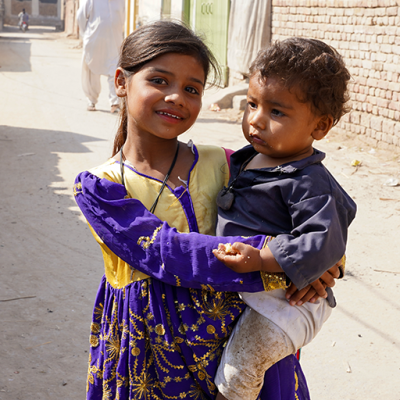
In Pakistan, millions of children remain outside the formal school system, trapped by poverty, social barriers, and limited access to learning facilities. For these children, education is not simply delayed, it is often completely out of reach. Yet hope is growing through innovative non-formal education programs made possible by generous support from donors in the United States. These initiatives are offering a second chance at learning and empowering marginalized youth with essential knowledge and life skills.
This article explores how USA donations supporting non-formal education in Pakistan are transforming lives, the challenges these programs face, and why sustained international support is vital to securing a brighter future for Pakistan’s out-of-school children.
The Educational Crisis in Pakistan
Pakistan faces one of the largest education gaps in the world. An estimated 22.8 million children of school-going age are not enrolled in school, representing nearly 44% of the eligible population. Rural communities, informal settlements, and disaster-affected areas are particularly vulnerable.
Several factors contribute to this crisis:
- Extreme poverty forces families to prioritize survival over schooling
- Cultural norms, especially regarding girls’ education
- Long distances to schools in remote regions
- Lack of trained teachers and infrastructure
These barriers create a cycle where children grow up without literacy or job skills, increasing the likelihood that poverty will persist across generations.
Why Non-Formal Education Matters
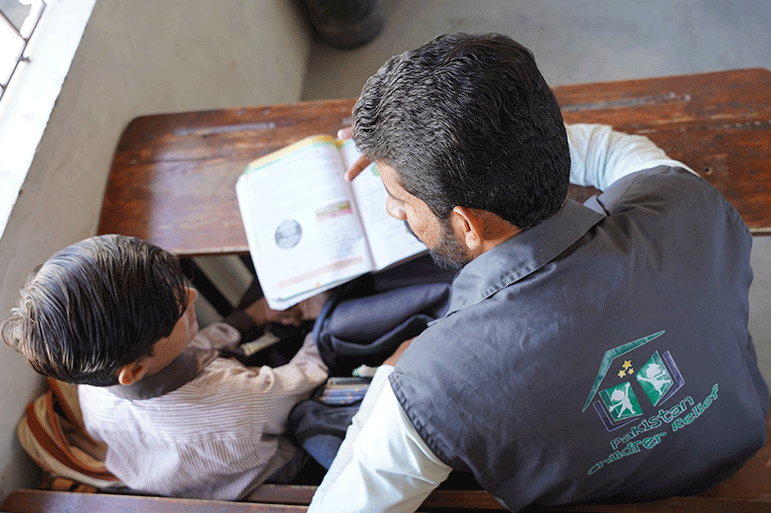
Non-formal education offers flexible, community-based learning outside the traditional school system. It focuses on foundational literacy, numeracy, and practical skills, while accommodating children who must work or have never attended school.
Through non-formal education for out-of-school children, students can:
- Learn basic reading, writing, and math
- Develop problem-solving and communication skills
- Build confidence and self-esteem
- Transition into formal schools or vocational programs
This approach meets children where they are and gives them a realistic pathway toward education and self-reliance.
The Role of USA Donations
Donations from individuals, faith-based groups, foundations, and humanitarian organizations in the United States provide critical funding for non-formal education initiatives across Pakistan.
These contributions support:
- Establishment of learning centers in underserved areas
- Teacher training and stipends
- Educational materials and classroom supplies
- Child protection and community outreach programs
Thanks to USA donations for education in Pakistan, thousands of children who once had no access to schooling are now learning in safe, supportive environments.
Partnerships That Drive Impact
American donors often work through trusted nonprofits that partner with local Pakistani organizations. These collaborations ensure:
- Funds are used efficiently and transparently
- Programs reflect cultural and community needs
- Continuous monitoring and improvement
Strong partnerships between international supporters and grassroots organizations make sustainable impact possible.
Measurable Impact on Children and Communities
Non-formal education programs are delivering tangible results:
- Improved literacy and numeracy levels
- Increased school readiness
- Reduced child labor
- Greater parental engagement in education
Beyond academics, children gain hope, discipline, and ambition. Communities benefit as educated youth contribute positively through employment, entrepreneurship, and leadership.
The ripple effect is powerful—when one child learns, entire families and neighborhoods feel the impact.
Challenges That Remain
Despite progress, obstacles persist:
- Limited long-term funding
- Cultural resistance in some communities
- Security and accessibility issues
- Shortage of trained educators
Addressing these challenges requires continued donor commitment, advocacy, and innovation.
The Future of Non-Formal Education
The future is promising. Mobile classrooms, digital learning tools, and blended education models are expanding reach. Programs are increasingly focused on:
- Accelerated learning
- Life skills and vocational training
- Pathways into formal schools
With continued investment, non-formal education can become a permanent bridge from exclusion to opportunity.
How You Can Help
You can support this mission by:
- Making monthly or one-time donations
- Sponsoring a child’s education
- Supporting awareness campaigns
- Encouraging others to give
Your contribution helps ensure that children who were once invisible to the education system are seen, valued, and empowered.
Conclusion
Education is one of the most powerful tools for breaking the cycle of poverty. Through the generosity of American donors and the dedicated work of organizations like PCR (Pakistan Children Relief), non-formal education is changing the lives of thousands of out-of-school children across Pakistan. Together, we can continue empowering out-of-school youth in Pakistan and build a future where every child has the chance to learn, grow, and thrive.
FAQs
- What is non-formal education?
Non-formal education refers to organized learning outside traditional schools that focuses on basic literacy, numeracy, and practical skills in flexible settings. - How do USA donations help children in Pakistan?
Donations fund learning centers, teachers, supplies, and child support services that make education accessible to out-of-school children. - Can my donation make a real difference?
Yes. Even small contributions help provide books, teacher support, and safe learning spaces that transform children’s futures.