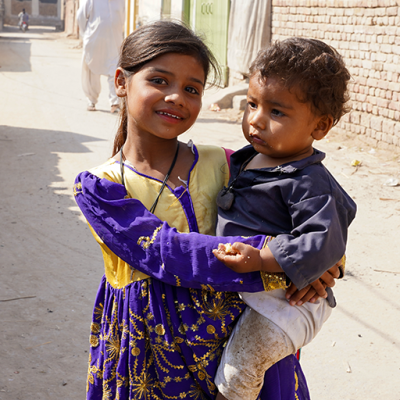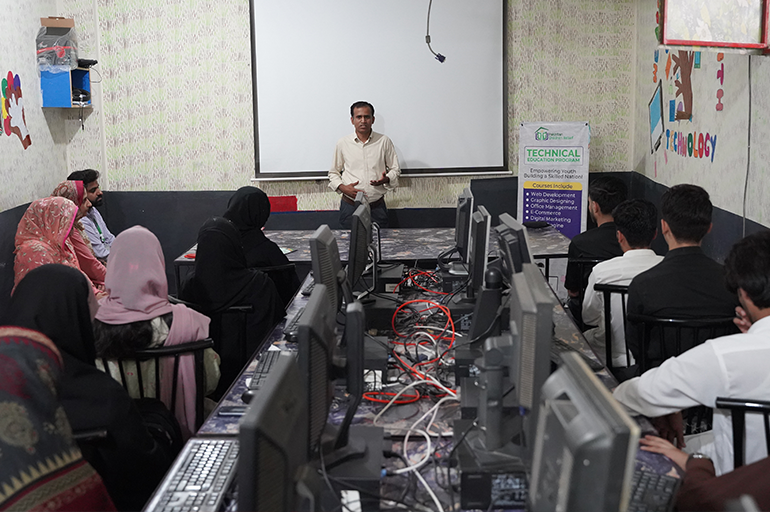
In Pakistan, socioeconomic inequality continues to limit access to quality education for millions of children. Among the most affected are underprivileged and orphaned students who often lack opportunities to gain skills that are relevant in today’s job market. In this context, IT courses training in Pakistan has become more than just an educational option, it is a powerful tool for empowerment, social mobility, and long-term national development.
As the global economy becomes increasingly digital, countries that invest in technology education stand a better chance of competing internationally. For Pakistan, providing IT education to marginalized youth is a crucial step toward bridging the digital divide and creating a more inclusive society.
Why IT Skills Matter in Today’s Job Market
The modern job market is driven by technology. From small businesses to multinational corporations, almost every sector relies on IT in some form. Skills such as computer literacy, programming, graphic design, data management, and digital marketing are now considered essential rather than optional.
Growing Employment Opportunities
Remote work, freelancing platforms, e-commerce, and software services have opened global opportunities for skilled individuals. Pakistan already has a strong presence in freelancing, and with proper training, underprivileged students can also benefit from this growing digital economy. Learning IT skills allows students to earn sustainable incomes without the need to migrate or depend on limited local job markets.
High Demand for IT Professionals
The demand for IT professionals continues to rise worldwide. For students from low-income backgrounds, IT education can be a life-changing opportunity. Even basic technical skills can lead to entry-level jobs, internships, or freelance work. This is why it courses training for orphan children Pakistan is especially important, it provides a pathway to independence and dignity.
Barriers Faced by Underprivileged Students
Despite the clear benefits, many underprivileged students in Pakistan struggle to access IT education due to several challenges.
Economic Constraints
For families living below the poverty line, survival often takes priority over education. Course fees, transportation costs, and learning materials can be unaffordable. Orphaned children face even greater challenges, as they often lack consistent financial and emotional support.
Limited Access to Technology
Many students do not have access to computers, reliable electricity, or internet connectivity, especially in rural and underserved urban areas. Without these basic tools, learning IT skills becomes extremely difficult.
Social and Cultural Barriers
In some communities, there is limited awareness of the value of IT education. Girls and marginalized groups may face additional restrictions, discouraging them from pursuing technical fields. Addressing these social barriers is just as important as addressing financial ones.
How IT Training Empowers Students
Providing IT education goes far beyond teaching technical skills, it transforms lives.
Building Practical Skills and Career Readiness
IT training programs equip students with hands-on skills that directly align with market needs. Whether it’s learning basic computer operations or advanced software tools, these skills improve employability and open doors to higher education and entrepreneurship.
Boosting Confidence and Self-Belief
When students learn new skills and see tangible results, their confidence grows. This sense of achievement helps them believe in their potential and motivates them to aim higher. For underprivileged youth, this confidence can be as valuable as the skills themselves.
The Broader Impact on Communities
The benefits of IT education extend beyond individuals. When trained students begin earning, they support their families, inspire peers, and contribute to local economies. Some even go on to teach others, creating a cycle of learning and empowerment within their communities.
This is why initiatives that encourage people to donate for IT courses for children in Pakistan are so impactful. A single donation can help change not just one life, but an entire family’s future.
Challenges in Implementing IT Training Programs
While the need is clear, implementing effective IT training programs is not without challenges.
Funding and Sustainability
Many programs rely on donations and limited grants, making long-term planning difficult. Consistent funding is needed for equipment, qualified trainers, and curriculum development. This is where support from donors who choose to donate for technical education in Pakistan becomes critical.
Infrastructure Limitations
In remote areas, unreliable electricity and poor internet connectivity can disrupt training programs. Addressing infrastructure gaps is essential to ensure equal access to IT education across the country.
Looking Ahead: Bridging the Digital Divide
Investing in IT education for underprivileged students is an investment in Pakistan’s future. A digitally skilled youth population can drive innovation, reduce unemployment, and strengthen the national economy.
Long-Term Benefits
With the right training, students can break the cycle of poverty and become contributors rather than dependents. Over time, this leads to reduced inequality, increased productivity, and a more resilient society.
The Need for Collective Effort
Sustainable change requires collaboration, awareness, and continued support. Communities, donors, and organizations must work together to ensure that IT education reaches those who need it most.
Conclusion: Supporting the Future Through Pakistan Children Relief (PCR)
In conclusion, providing IT training to underprivileged students in Pakistan is not just an educational initiative, it is a powerful step toward empowerment, social equity, and national progress. By addressing barriers such as poverty, lack of access, and limited resources, we can help young people unlock their potential and build brighter futures.
Organizations like Pakistan Children Relief (PCR) play a vital role in this mission by focusing on the education and welfare of vulnerable children, including orphans. Through its efforts, PCR helps provide access to learning opportunities that can transform lives. Supporting PCR means investing directly in Pakistan’s youth and giving them the tools they need to succeed in an increasingly digital world.
The future of Pakistan depends on the skills and opportunities we provide to its children today. By supporting IT education through PCR, we take a meaningful step toward a more inclusive, skilled, and hopeful tomorrow.