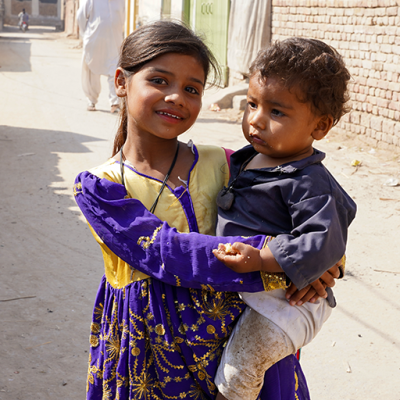
Access to education is a fundamental right that plays a critical role in shaping individuals and societies. Yet in Pakistan, millions of children face barriers that prevent them from completing even basic schooling. Among the most overlooked challenges is the lack of essential learning materials like books, notebooks, and stationery. Without these tools, education becomes difficult, discouraging, and often impossible. This is where education support for children in Pakistan becomes essential.
Through targeted efforts and donations from the USA for children’s education in Pakistan, vulnerable students are gaining access to learning resources that help them stay enrolled, motivated, and hopeful. This article explores why books and stationery matter, how they impact learning outcomes, and what can be done to ensure no child is left behind.
The Importance of Education in Pakistan
Overview of Literacy Rates
Education is often described as the gateway to opportunity, but for many children in Pakistan, that gate remains locked. The national literacy rate remains around 59%, with sharp disparities between urban and rural regions. Girls and children from low-income families are disproportionately affected. Without adequate support, these children struggle to remain in school, limiting their future prospects.
Providing basic learning resources for children in Pakistan, such as textbooks and stationery, can significantly improve engagement and learning outcomes. When children have what they need to learn, education shifts from a burden to a possibility.
Long-Term Benefits of Education
Education creates a ripple effect that extends far beyond the classroom. Educated individuals are more likely to secure employment, contribute to economic growth, and make informed decisions about health and family life. In Pakistan, supporting education today helps build a generation capable of breaking cycles of poverty tomorrow. Education truly becomes an investment in national development.
Challenges Faced by Children in Accessing Education
Economic Barriers
For many families, education competes with basic survival. School fees, uniforms, and supplies are often unaffordable. When children attend school without books or stationery, they fall behind, lose confidence, and eventually drop out. This is why initiatives that provide free books and stationery for students in Pakistan are so impactful, they remove a critical barrier to participation.
Cultural and Social Obstacles
In some communities, cultural norms limit access to education, particularly for girls. Household responsibilities or early marriages often take priority over schooling. These social pressures, combined with a lack of resources, make sustained education difficult for many children.
Geographical Disparities
Children in remote and rural areas face additional challenges, including long distances to schools and limited infrastructure. Even when schools exist, they are often under-resourced. Without books or learning materials, attendance drops, and learning outcomes suffer.
The Role of Books and Stationery in Learning
Essential Learning Tools
Books and stationery are foundational to education. They enable children to read, write, practice, and explore ideas independently. Access to basic learning resources for children in Pakistan supports literacy, numeracy, and critical thinking skills. When students have their own materials, learning becomes consistent and meaningful.
Encouraging Independent Study
Children with access to books are more likely to study at home, revise lessons, and develop curiosity. A notebook and pencil may seem small, but they empower children to take ownership of their education. This sense of preparedness plays a major role in keeping children in school in Pakistan.
Successful Initiatives Supporting Education
Community and Local Efforts
Across Pakistan, community-driven initiatives have shown that change is possible. Book drives, school supply distributions, and parent awareness programs have helped children return to classrooms with confidence. These efforts demonstrate the power of collective action in supporting education.
Resource-Based Impact
Schools that receive consistent supplies report higher attendance and improved academic performance. When children no longer feel excluded due to a lack of materials, they participate more actively and remain enrolled longer.
Impact of Access to Books on Academic Performance
Connection Between Resources and Achievement
Research consistently shows a strong link between access to learning materials and academic success. Children with books perform better in reading and comprehension tests and develop stronger learning habits. In Pakistan, providing free books and stationery for students in Pakistan has proven to be one of the most effective ways to improve educational outcomes.
Real-Life Improvements
In underserved communities, even small interventions, such as providing textbooks, have resulted in significant improvements in test scores and classroom engagement. These outcomes highlight how targeted support can transform educational experiences.
Community Involvement and Educational Support
Role of Parents and Leaders
Parents and community leaders play a crucial role in reinforcing the value of education. When communities prioritize schooling and support children with learning materials, attendance improves. Awareness campaigns and local leadership help create environments where education is valued.
Partnerships for Progress
Collaborations between schools, libraries, and learning centers help expand access to books. Mobile libraries and shared resources ensure that children in remote areas are not excluded from learning opportunities.
Future Prospects for Educational Access
Policy and Funding Needs
Long-term progress requires sustained investment in education. Policies that prioritize learning materials and equitable funding can strengthen the education system. Strategic use of donations ensures resources reach the children who need them most.
Innovative Distribution Models
Creative solutions such as mobile libraries, community resource hubs, and data-driven distribution systems can help scale access. Innovation ensures that educational support reaches even the most remote areas.
Conclusion: Supporting Education Through Pakistan Children Relief (PCR)
In conclusion, access to books and stationery is a critical factor in keeping children in school in Pakistan. When children have the tools they need, they are more likely to attend school regularly, perform better academically, and build confidence in their abilities. Education support is not just about learning, it is about dignity, opportunity, and hope.
Pakistan Children Relief (PCR) plays an important role in this mission by providing educational support through its programs focused on vulnerable children in Pakistan. With continued donations from the USA for children’s education in Pakistan, PCR helps deliver learning materials that empower children to stay in school and pursue brighter futures. Those who choose to donate from USA to support education for children in Pakistan become partners in creating lasting change.
Frequently Asked Questions
- Why is access to books and stationery important for children’s education in Pakistan?
Access to learning materials improves academic performance, builds confidence, and encourages regular school attendance. - What barriers prevent children from accessing educational resources?
Economic hardship, cultural norms, and geographic isolation are the most common barriers. - How can communities support access to educational materials?
By organizing donation drives, working with schools, and raising awareness about the importance of education. - What initiatives improve access to books and stationery in Pakistan?
Programs run by organizations and community groups that distribute supplies, establish libraries, and support learning centers.