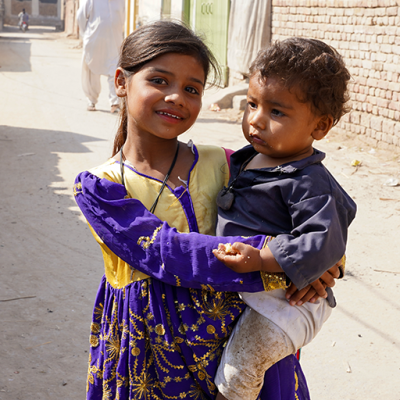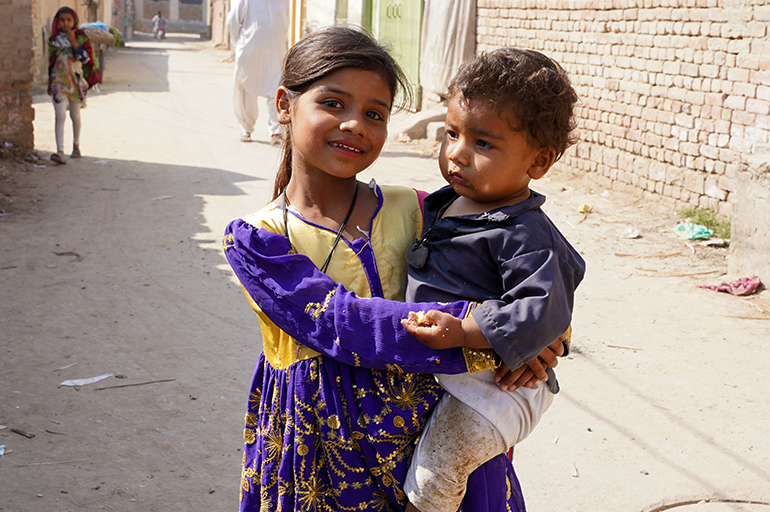
In Pakistan, millions of orphaned children face a difficult reality. Without parental support, many struggle to access proper education, stable housing, and emotional guidance. As they grow older, the lack of opportunities often pushes them toward low-income jobs or unemployment. Without skills or qualifications, breaking the cycle of poverty becomes extremely challenging.
However, there is hope. By supporting structured training initiatives, we can equip these children with practical skills that prepare them for real careers. A well-designed technical education program does more than teach a trade — it builds confidence, independence, and long-term stability.
The Reality Orphans Face in Pakistan
Pakistan is home to millions of orphaned children. Many live with relatives who are already financially stretched, while others reside in overcrowded care facilities. Although basic schooling may be available in some cases, access to quality education and skill development remains limited.
Financial hardship is one of the biggest barriers. When families struggle to afford food and shelter, education often becomes a secondary priority. As a result, many orphaned youth leave school early and enter low-paying labor work just to survive.
Without proper guidance or vocational skills, they find themselves trapped in a cycle of poverty. This is why structured training and an organized educational support program are so critical. These initiatives ensure that vulnerable children are not left behind.
Why Technical Training Makes a Lasting Difference
Traditional education is important, but technical training offers something equally powerful: employable skills. A strong technical education program focuses on hands-on learning that prepares students for real-world jobs.
Instead of only studying theory, students learn how to repair machinery, design websites, manage small businesses, or install electrical systems. These practical skills are in high demand in Pakistan’s growing job market.
When orphaned youth gain these skills, they gain independence. They no longer rely solely on charity. They become capable of earning, saving, and supporting themselves — and sometimes even their families.
Technical education also builds self-confidence. Learning a trade gives young people a sense of purpose. They begin to believe in their own abilities and future potential.
In-Demand Skills That Change Futures
Several technical fields offer strong career opportunities in Pakistan:
1. Information Technology and Digital Skills
With digital growth increasing rapidly, skills like computer programming, graphic design, digital marketing, and web development are highly valuable. These careers even offer remote work opportunities, expanding possibilities beyond local markets.
2. Vocational Trades
Skills such as plumbing, carpentry, electrical work, tailoring, and auto mechanics remain consistently in demand. Vocational training ensures immediate employability and stable income.
3. Entrepreneurship and Small Business Skills
Some programs teach business basics — budgeting, marketing, customer service, and financial planning. This allows youth to start their own small enterprises and become job creators rather than job seekers.
When supported through an education support funding program, these training paths can completely transform a child’s life direction.
The Role of Sponsorship and Funding
Technical training programs require funding for instructors, equipment, materials, and safe learning environments. This is where donors and community members play a vital role.
An organized education support funding program ensures that resources are properly allocated. Contributions may cover:
- Training equipment and supplies
- Instructor salaries
- Certification fees
- Transportation for students
- Internship placements
Transparency and accountability are key to making these programs effective. When properly managed, sponsorship doesn’t just fund classes — it funds opportunity.
Even small monthly contributions can help sustain an entire educational support program, allowing more orphaned youth to enroll and complete training successfully.
Beyond Training: Building Long-Term Support
Skill development alone is not enough. Sustainable programs also provide mentorship, career counseling, and job placement assistance. These additional services ensure students transition smoothly into employment.
Community partnerships with local businesses are especially valuable. Employers who collaborate with training centers often offer internships or entry-level positions to graduates.
This approach creates a strong support network around orphaned youth. Instead of feeling isolated, they become part of a community that believes in their potential.
Measuring Success and Impact
The true impact of a technical education program can be measured in several ways:
- Job placement rates after graduation
- Increased income levels among graduates
- Higher self-confidence and independence
- Reduced poverty within supported families
Feedback from both students and employers also provides insight into program effectiveness. Continuous improvement ensures training remains aligned with market needs.
When orphaned youth secure stable employment, they not only change their own lives — they inspire others in their communities.
A Brighter Future Through Skill Empowerment
Empowering orphans through technical education creates a ripple effect. Skilled youth contribute to local economies, support younger siblings, and become role models for others.
Investing in skill development is not short-term charity. It is long-term empowerment. Through consistent funding and strong partnerships, these programs can expand and reach even more vulnerable children.
An effective education support funding program ensures sustainability and growth, making technical training accessible to those who need it most.
Conclusion: Creating Impact with PCR
Technical training offers orphaned youth in Pakistan a pathway to independence, dignity, and opportunity. Instead of remaining dependent on temporary aid, they gain the skills needed to build their own futures.
Organizations like Pakistan Children Relief (PCR) play a crucial role in supporting structured educational support programs and sustainable technical education programs for vulnerable children. Through proper planning, transparency, and community collaboration, PCR helps transform lives by equipping orphaned youth with real-world skills.
By supporting these initiatives, you are not just funding education — you are building futures. Together, we can break the cycle of poverty and empower the next generation with hope and opportunity.
Frequently Asked Questions
- What is included in a technical education program for orphans?
Programs typically include vocational training (electrician, plumbing, tailoring), IT and digital skills, and entrepreneurship courses designed to meet local job market demands. - How does an education support funding program help orphaned youth?
It provides financial resources for training materials, instructors, certifications, and job placement assistance, ensuring students receive complete and practical skill development. - Can I contribute to an educational support program even with limited funds?
Yes. Even small contributions can support training equipment, scholarships, or learning materials when combined with other donors.