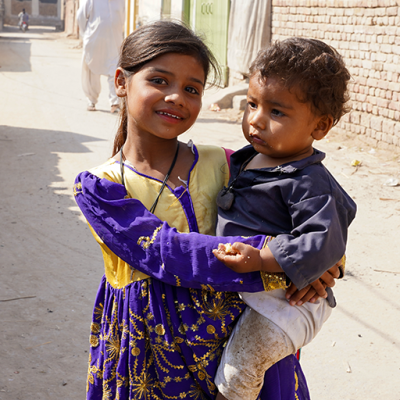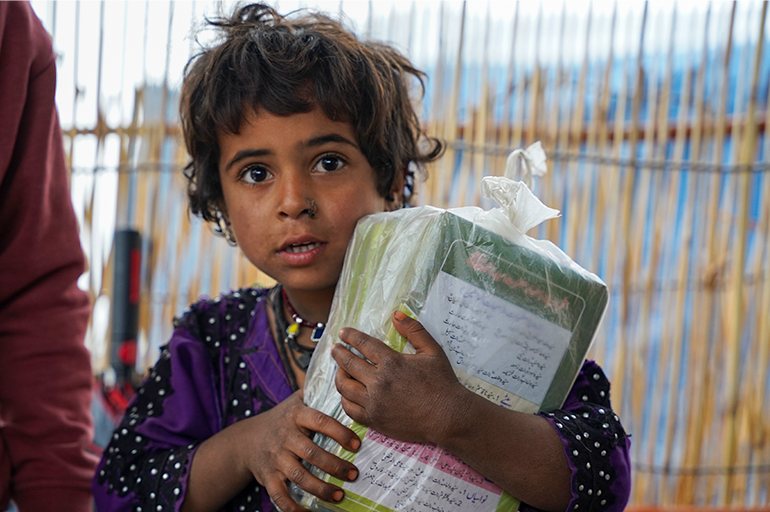
In Pakistan, orphanages play a vital role in protecting and nurturing children who have lost parental care. Yet, these facilities and the children they serve face numerous challenges rooted in poverty, limited resources, and systemic neglect. Orphaned children often grow up battling emotional trauma, lack of stability, and barriers to education and healthcare. This article explores the major challenges faced by orphanages and orphaned children in Pakistan while highlighting the need for stronger orphan relief in Pakistan and improved long-term support systems.
Overview of Orphanages in Pakistan
History and Current Landscape
Orphanages have existed in Pakistan since the early years of independence, established largely by charitable groups and community leaders responding to large numbers of displaced and vulnerable children. Today, the system remains diverse ranging from government-run facilities to private charities, religious institutions, and small community shelters. The quality of care differs widely, making the work of every orphanage support services organization essential in filling the gaps.
Current Statistics
Pakistan is estimated to have around 4 million orphaned children, many of whom rely on institutional care or extended family networks. With such large numbers, resources often fall short, forcing many facilities to operate under financial strain and overcrowding challenges that directly impact the well-being of the children.
Socioeconomic Challenges
Funding Limitations
Most orphanages depend on public generosity and small grants. When donations slow down, essential services such as food, healthcare, and education suffer. Consistent Pakistan orphanage donation programs are crucial for maintaining stable operations, especially in underfunded rural areas.
Impact of Poverty
Widespread poverty amplifies every challenge. Limited budgets mean children may not receive balanced diets, qualified teachers, or proper hygiene supplies. In low-resource orphanages, even basic maintenance becomes difficult, affecting living conditions and children’s overall development.
Government Support
While policies exist for child protection, enforcement remains weak. Many orphanages struggle to meet regulatory standards due to insufficient guidance and financial constraints. Stronger government-NGO partnerships are necessary to safeguard children effectively.
Emotional and Psychological Challenges
Trauma and Long-Term Effects
Many children enter orphanages after experiencing severe trauma, including abandonment, neglect, or loss. Without proper counseling, these emotional wounds can lead to anxiety, depression, or behavioral issues later in life. Unfortunately, access to mental-health specialists is extremely limited, leaving most children without needed psychological support.
Attachment and Social Difficulties
Growing up without stable parental figures can hinder a child’s ability to form healthy relationships. Caregivers often manage large groups, making individualized attention difficult. This situation affects trust-building, confidence, and social skills—elements crucial to a child’s emotional growth.
Educational Barriers
Limited Access to Quality Education
Many orphanages struggle to provide strong educational foundations due to teacher shortages, outdated materials, or lack of transportation to nearby schools. Supporting education through programs that sponsor an orphan in Pakistan can significantly improve learning outcomes by covering tuition fees, books, and uniforms.
Poor Learning Resources
Some facilities rely on old textbooks and makeshift classrooms, limiting a child’s exposure to meaningful learning experiences. Without access to digital tools or enrichment programs, children fall behind academically, impacting their future opportunities.
Health and Nutrition Challenges
Common Health Issues
Due to overcrowding and insufficient medical care, children frequently suffer from respiratory infections, skin diseases, malnutrition, and dental problems. Preventive healthcare is rare in many facilities, making minor illnesses escalate quickly.
Nutritional Deficiencies
Financial struggles often lead to unbalanced meals lacking essential vitamins and proteins. Malnutrition weakens immunity and hinders growth, creating long-term health risks that can follow children into adulthood.
Legal and Social Challenges
Weak Enforcement of Child Protection Laws
Although Pakistan has laws designed to protect vulnerable children, practical implementation is inconsistent. Some orphanages operate with minimal oversight, leaving children exposed to risks of neglect or exploitation.
Social Stigma
Orphaned children often face societal stigma, impacting their self-esteem and acceptance within communities. Misconceptions about orphanages can also reduce public trust and discourage engagement with any orphan charity working to support these children.
Solutions and Support Mechanisms
NGO Partnerships and Community Support
Collaboration between local organizations, global partners, and government bodies is essential. NGOs provide critical expertise, funding, and monitoring systems that improve standards of care. Community involvement—such as mentorship, volunteer programs, or advocacy—helps reduce stigma and builds an inclusive support network.
Innovative Programs
Skill-building workshops, tutoring, mental-health sessions, and extracurricular activities can significantly improve children’s development. Many facilities also collaborate with external groups to provide vocational training for older children, helping them transition into independent life.
Conclusion
Orphanages and orphaned children in Pakistan face significant challenges, from funding shortages to emotional trauma and limited access to quality education and healthcare. Addressing these issues requires unified efforts from government bodies, civil society, charities, and compassionate individuals. Organizations like Pakistan Children Relief (PAKCR) play a vital role in delivering orphan relief in Pakistan through sustainable care models, educational support, and improved living conditions. By supporting trusted initiatives and contributing to long-term programs, we can create a safer, brighter future for every orphaned child in Pakistan.
Frequently Asked Questions
What are the main challenges orphanages face in Pakistan?
The primary challenges include funding and resource limitations, educational barriers, health and nutrition issues, and the emotional and psychological impact on orphaned children.
How can the community support orphanages and orphaned children?
Community support can come in various forms, such as volunteering, donations, raising awareness, and partnering with local NGOs to provide resources and services.
What role does the government play in supporting orphanages?
The government is responsible for creating and enforcing child protection laws, providing funding and resources, and regulating orphanage operations to ensure the safety and well-being of children.
How do orphaned children in Pakistan cope with emotional challenges?
Orphaned children often face trauma and attachment issues, but access to mental health services, supportive relationships, and community engagement can help them cope and heal.