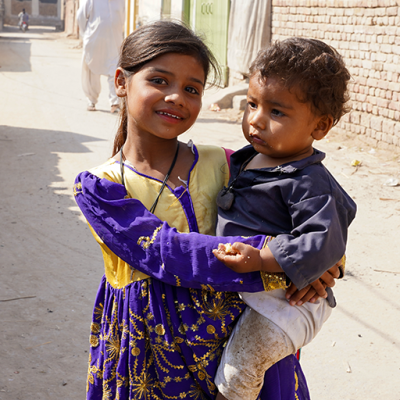
Digital transformation in education means more than giving a child a tablet or connecting a school to the internet. It means opening doors for rural children who have been left behind for decades. In many villages of Pakistan, a student still walks miles to reach a classroom that has no electricity, no stable network, and sometimes not even textbooks. Digital learning offers a way to bridge these gaps and create equal learning opportunities. This piece explores the current situation in rural education Pakistan, the barriers families and teachers face, and the hope that digital tools bring. It also highlights how your support and donation for child education can truly teach a child in Pakistan and shape a better future.
The Current Reality: Infrastructure and Access Barriers
Rural communities face a long list of challenges before digital learning even begins. Many villages still struggle with basic roads, electricity, and communication facilities. Students want to learn and teachers want to do more, but the system lacks the tools.
Limited Internet Coverage and Bandwidth Issues
A large number of rural villages still do not have stable 4G signals. Even when coverage exists, the connection is too weak for online classes. Power cuts are common and students often wait hours for their devices to charge again. It feels like trying to study during a blackout, where every moment of progress is interrupted.
Lack of Devices and High Connectivity Costs
Most rural families earn very little, often less than the cost of a monthly data package. Buying a phone, laptop, or tablet is out of reach. Only a quarter of rural households own a smartphone. Even when they manage to borrow a device, it is usually shared among several family members. This leaves thousands of children disconnected from modern learning methods.
Teachers Without Digital Training
Many rural teachers have never used a learning management system or conducted an online class. Without proper training, digital lessons become stressful instead of helpful. Imagine being asked to ride a bike without ever learning how to pedal. This is how digital teaching feels for many educators.
Driving Change: Efforts That Bring Hope
Despite the challenges, progress is happening. The government, private sector, and nonprofit organisations continue to introduce new initiatives that support rural children.
Government Efforts
The Digital Pakistan program focuses on connecting thousands of villages to broadband services. Provincial governments distribute tablets, create digital content libraries, and introduce solar powered internet hotspots. These steps are creating a slow but steady shift in rural education in Pakistan.
NGO and Private Sector Partnerships
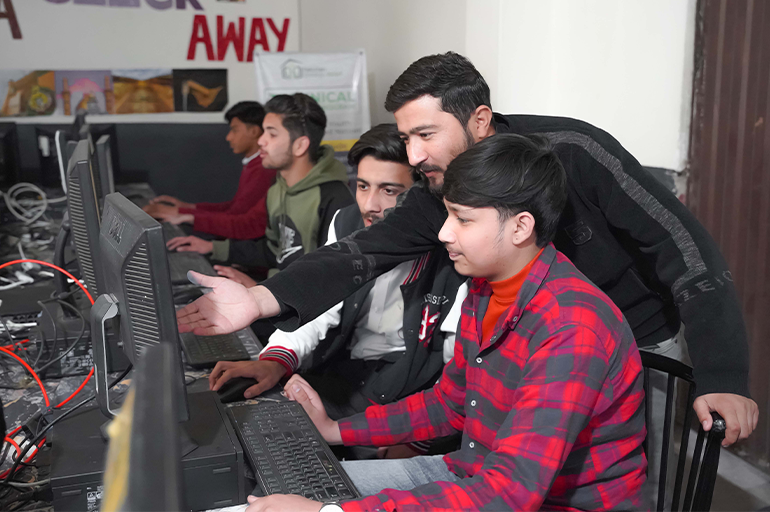
Many organisations work directly with rural schools to provide digital classrooms and training. Local apps offer affordable learning videos and quizzes in Urdu. Telecom companies partner with education platforms to make data cheaper for students. Coding labs and community learning centres are slowly appearing in regions that once had no internet at all.
Mobile First Learning Solutions
Since mobile phones are more common than laptops, many programmes focus on phone based learning. Students download lessons offline, receive quizzes through simple apps, and study with low bandwidth videos. This approach fits perfectly with rural lifestyles and makes digital learning easier to adopt.
Changing Teaching and Learning Through Technology
Digital tools are not only about screens. They change the way teachers teach and the way students absorb information.
Personalized Learning for Every Child
Adaptive learning apps adjust lessons according to each student’s pace. A struggling student gets extra help, while a fast learner receives advanced practice. This makes it easier to educate children in rural Pakistan without leaving anyone behind.
Access to Subjects and Activities Beyond Textbooks
Digital libraries bring science labs, geography videos, animated math lessons, and reading stories to villages that have never seen such resources. Children explore oceans, planets, and world cultures from their small schoolrooms.
Blended Learning Made Simple
Teachers can combine classroom teaching with digital tools by starting small. Weekly educational videos, short digital quizzes, and simple apps create an engaging learning journey without overwhelming teachers.
Overcoming Social and Cultural Barriers
Technology alone cannot solve everything. Social and cultural barriers also affect rural education.
Bridging the Gender Divide
Girls in rural Pakistan face additional challenges. Many families hesitate to allow girls access to community learning centres. Special programs now offer safe digital learning spaces for girls, giving them equal chances to grow.
Building Digital Literacy for Parents
Parents often fear digital devices because they worry about misuse. Awareness workshops teach them about safe browsing, educational apps, and supportive parenting. When families understand the value, they begin to encourage their children.
Local Language Content
Apps and lessons in Sindhi, Pashto, Punjabi, and Balochi help students relate better. When learning feels familiar, children stay engaged.
Conclusion: A Path Toward Equal Education Opportunities
Digital transformation is not a quick fix, but it is a powerful path forward. It gives remote villages a chance to unlock education beyond textbooks. To truly educate a child in Pakistan, we must focus on affordable internet, trained teachers, relevant digital content, and equal opportunities for girls and boys.
This mission becomes stronger with organisations like Pakistan Children Relief. PAKCR works to educate children in rural Pakistan by supporting schools, training teachers, and providing learning tools. Your donation for child education in Pakistan helps build classrooms where dreams can finally grow.
Frequently Asked Questions
- How does my donation help educate a child in Pakistan?
Your donation covers school supplies, digital learning tools, teacher training, and safe classroom spaces. These resources help a child access consistent education. - Why is digital learning important in rural Pakistan?
Digital learning bridges the gap created by weak infrastructure. It provides modern lessons, interactive tools, and updated knowledge even in remote areas. - Can digital tools improve the education of girls in rural Pakistan?
Yes, digital tools offer safe learning environments, flexible access to lessons, and opportunities that help girls continue their education without barriers.