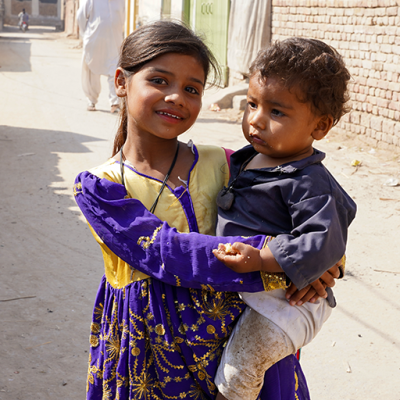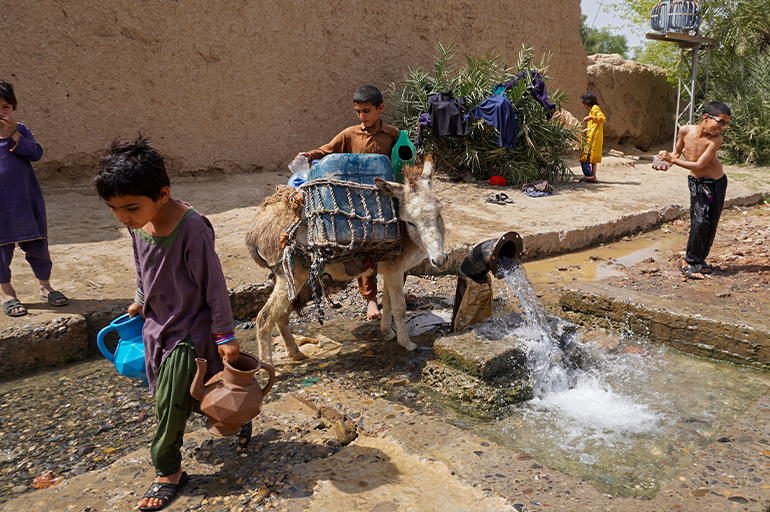
In a dusty village on the outskirts of Lahore, a young boy bends over a shallow well, filling a plastic cup with water that looks clear but carries invisible danger. Scenes like this unfold every day across Pakistan. For millions of families, safe drinking water remains out of reach. More than 40 million people lack access to clean water in Pakistan, and children are the most vulnerable. According to UNICEF, waterborne diseases such as diarrhea claim the lives of nearly 53,000 children under the age of five each year.
Access to clean water is not just about quenching thirst, it directly affects survival, education, nutrition, and dignity. This article explores the growing water supply and sanitation in the Pakistan crisis, its impact on children and families, and sustainable solutions that can protect lives and build healthier communities.
How Unsafe Water Impacts Children and Families
A Silent Threat to Child Health
Children are especially vulnerable to unsafe water. Contaminated sources spread diarrhea, typhoid, and cholera, illnesses that weaken immunity and disrupt physical and mental development. Long-term exposure leads to stunting, which affects nearly 38% of Pakistani children under five. These children struggle to focus in school, fall sick more often, and face lifelong health challenges.
This is why clean drinking water for schools in Pakistan is essential. When schools lack safe water and hygiene, students miss classes, drop out early, or never enroll at all, especially girls.
The Economic Cost of Dirty Water
Unsafe water doesn’t only damage health; it drains household income. Families spend money on medicine, miss workdays caring for sick children, and lose school hours that could break the poverty cycle. At a national level, lost productivity due to water-related illness costs Pakistan billions annually.
Clean water access means healthier families, stronger workers, and reduced strain on hospitals.
Major Threats to Water Quality in Pakistan
Water contamination takes many forms across the country:
- Bacterial pollution from untreated sewage in canals and rivers
- Arsenic and fluoride in groundwater, especially in Sindh and Balochistan
- Industrial runoff near urban areas like Karachi and Faisalabad
Flooding worsens the situation by mixing sewage with drinking sources. Addressing these threats requires targeted, community-based water interventions rather than one-size-fits-all solutions.
Infrastructure Gaps and Sanitation Challenges
Urban-Rural Disparities
Urban areas may have piped water, but outdated infrastructure causes leaks and contamination. Rural communities often depend on distant hand pumps or open wells. These challenges reveal a deep divide in water supply and sanitation in Pakistan, leaving rural children at greater risk.
The Sanitation Crisis
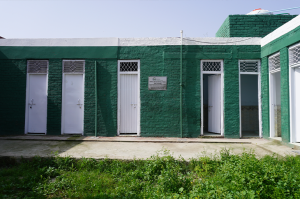
Unsafe water problems cannot be solved without sanitation. Poor waste disposal funnels bacteria straight into water sources. Without proper sanitation facilities in rural Pakistan, clean water efforts fail quickly. This is why integrated efforts under a WASH program in Pakistan, combining water, sanitation, and hygiene—are critical.
Practical Clean Water Solutions That Work
Community-Based Filtration Systems
Low-cost solutions like biosand filters, ceramic filters, and solar water disinfection offer affordable protection at the household level. These systems are easy to maintain and empower communities to manage their own water.
Such interventions are especially effective when paired with hygiene education, handwashing, safe storage, and maintenance training.
Advanced Treatments for High-Risk Areas
In regions with chemical contamination, technologies like reverse osmosis and arsenic removal systems are essential. While more expensive, they save lives when supported by solar power and strong community oversight.
Smart Water Management
Modern tools like leak-detection sensors and remote water-quality monitoring help communities respond quickly to contamination. Pilot projects show significant reductions in water loss and improved reliability.
Policy, Community Leadership, and Sustainable Impact
Stronger Governance and Regulation
Consistent water-quality monitoring and enforcement are vital. Local governments must be equipped with tools and funding to protect water sources and penalize polluters.
Community Ownership
Successful water projects depend on local leadership. Water committees, especially involving women, help manage funds, maintain systems, and ensure accountability. Many effective models are led by a water and sanitation NGO in Pakistan, combining technical expertise with grassroots trust.
Innovative Financing
Public-private partnerships, donor-backed installations, and community micro-contributions make water projects sustainable long-term. When communities invest—even small amounts, systems are valued and maintained.
Conclusion: Building a Healthier Future Through WASH
Pakistan’s water crisis is not unsolvable—but it demands urgent, coordinated action. Clean water improves health, education, food security, and economic stability. With community ownership, affordable technology, and strong policy frameworks, every child can grow up free from waterborne disease.
Organizations like Pakistan Children Relief (PAKCR) are leading life-changing efforts through their WASH program in Pakistan, providing clean drinking water for schools, installing sanitation facilities in rural Pakistan, and restoring dignity to vulnerable communities. Each well, restroom, and hand pump becomes a foundation for health, learning, and hope.
Clean water is where childhood thrives and with continued support, Pakistan can ensure every child’s right to a safer, healthier future.
FAQs: Clean Water in Pakistan
Why is water contamination so widespread in Pakistan?
Aging infrastructure, poor sanitation, industrial waste, and lack of monitoring contribute to unsafe water conditions.
How does clean water improve education outcomes?
When children are healthy and schools have safe drinking water and toilets, attendance improves and dropout rates especially for girls decline.
What is the most effective long-term solution?
Integrated WASH programs that combine clean water access, sanitation facilities, hygiene education, and community management offer the most sustainable results.