Imagine this: over 60% of Pakistan’s population is under the age of 30 energetic, ambitious, and eager to build better lives. Yet youth unemployment remains close to 11%, leaving millions struggling to find meaningful work. At the same time, the global economy is moving at lightning speed toward digital systems, artificial intelligence, and remote work. In today’s world, digital literacy is no longer optional. It is a survival skill.
For Pakistan’s youth, especially those from underserved backgrounds, mastering digital skills can be the turning point that transforms uncertainty into opportunity. When combined with the right educational support program or technical education program, digital literacy has the power to reshape futures not just for individuals, but for families and communities as well.
The Changing Landscape of Pakistan’s Job Market
Pakistan’s job market is undergoing a major transformation. Traditional roles that once relied on manual labor are shrinking, while technology-driven roles are expanding.
Automation and the Decline of Low-Skill Jobs
Machines and software now perform tasks once handled by people; data entry, inventory tracking, even fabric cutting in textile factories. While this boosts efficiency, it also reduces demand for low-skill labor. Youth without digital skills risk being pushed out of the workforce entirely. However, those who understand how to operate, manage, or maintain these systems remain in demand.
Rise of Remote Work and the Gig Economy
The gig economy has unlocked new possibilities for Pakistanis. Freelancing platforms allow youth to earn globally through skills like graphic design, content writing, programming, and digital marketing. Remote work removes geographic limits, but only for those who know how to use digital tools, communicate online, and manage projects virtually. Without digital literacy, these opportunities remain out of reach.
Growth in Tech-Driven Sectors
Industries such as fintech, e-commerce, and online education are expanding rapidly. From mobile banking platforms to online stores, employers now expect basic tech competence. Digital fluency gives young people a competitive edge in sectors that offer sustainable income and long-term growth.
What Digital Literacy Really Means
Digital literacy is more than knowing how to use a smartphone. It’s about understanding technology well enough to solve problems, communicate effectively, and work safely online.
Foundational Digital Skills
These include using word processors, spreadsheets, cloud storage, and video conferencing tools. Understanding basic cybersecurity such as recognizing scams and protecting passwords—is equally important, especially in remote work environments.
Communication and Data Skills
Employers value clarity. Writing professional emails, participating confidently in virtual meetings, and interpreting basic data sets are essential skills. Youth who can present ideas clearly online stand out instantly.
Navigating Online Job Platforms
Knowing how to search for jobs online, build a strong LinkedIn profile, and tailor a CV for digital filtering systems is crucial. Digital literacy makes the difference between applying endlessly and landing interviews.
Barriers Holding Youth Back
Despite its importance, access to digital literacy remains uneven in Pakistan.
Lack of Internet and Devices
Urban youth often enjoy better connectivity, while rural communities struggle with unreliable internet and lack of devices. This digital divide limits learning and freezes out potential talent.
Outdated Education Systems
Many schools and colleges still focus on theoretical knowledge rather than real-world digital tools. Without practical training, graduates remain unprepared for modern jobs—highlighting the need for stronger technical education programs.
Gender and Cultural Challenges
Socio-cultural norms often restrict girls’ access to technology and online work. This gender gap keeps half the population from fully participating in the digital economy and must be addressed through inclusive children relief programs and community awareness.
Practical Ways to Build Digital Skills
The good news? Digital literacy is more accessible than ever.
Use Free and Affordable Learning Platforms
Online courses in web development, digital marketing, and IT support are widely available. Many platforms offer certifications that boost employability and confidence especially for youth without formal degrees.
Focus on Portfolios, Not Just Certificates
Employers want proof. A simple portfolio showing real projects, mock websites, design samples, or writing pieces often matters more than a certificate alone.
Learn Through Community and NGO Programs
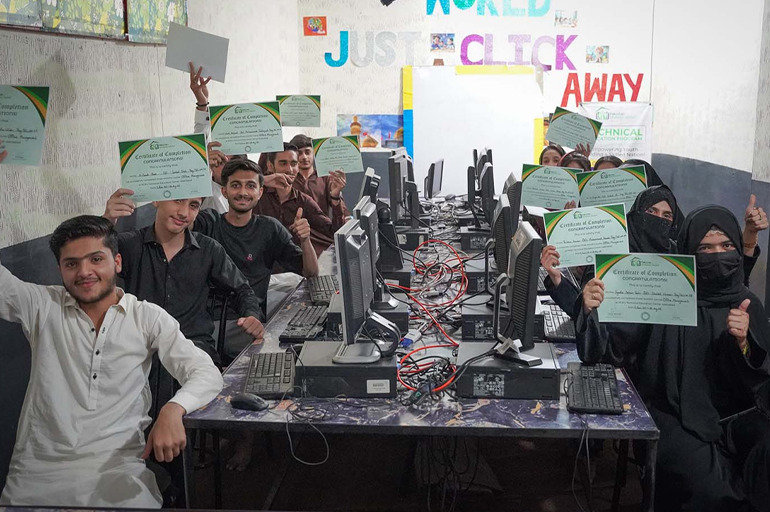
Public and private initiatives, along with nonprofit educational support programs, play a vital role in reaching marginalized youth. These programs offer structured learning, mentorship, and sometimes even job placement support.
Why Digital Literacy Is an Investment in Pakistan’s Future
A digitally skilled youth population means higher employment, stronger innovation, and faster economic growth. When young people can earn, they support families, reduce dependency, and uplift entire communities.
Organizations like Pakistan Children Relief (PAKCR) understand this deeply. Through their educational support programs, technical education program initiatives, and child sponsorship programs, PAKCR helps equip underserved children and youth with practical skills for long-term independence. Their approach goes beyond short-term aid, focusing on empowerment and sustainability key pillars for real national progress.
By supporting children relief programs that prioritize digital and technical education, Pakistan can nurture a generation ready to compete, contribute, and lead.
Frequently Asked Questions (FAQs)
- Why is digital literacy important for youth employment in Pakistan?
Digital literacy enables youth to access modern jobs, apply online, freelance globally, and adapt to tech-driven industries that are shaping the future economy. - Can digital skills help break the cycle of poverty?
Yes. When combined with educational support programs and child sponsorship programs, digital skills open doors to sustainable income and self-reliance. - How do organizations like PAKCR support digital education?
PAKCR supports skill development and technical education programs as part of its broader children relief programs, helping underprivileged youth gain employable skills and brighter futures.