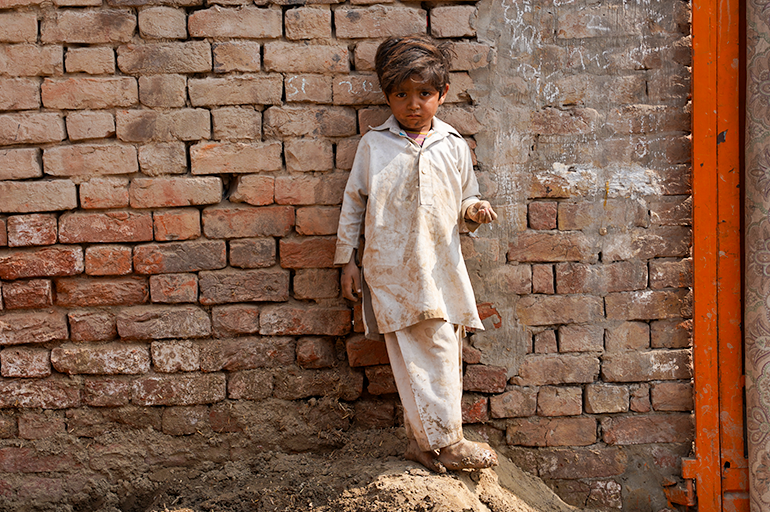
Picture a young girl sitting on the floor of a small village classroom, holding a book she owns for the very first time. Her uniform is simple, but her smile is wide with hope. For millions of children in Pakistan, this moment is still out of reach. More than 22 million children remain out of school, while hunger, illness, and poverty shape their daily lives. This is where child sponsorship becomes life-changing. It is not a one-time donation or a passing act of charity. It is a long-term commitment that supports education, health, nutrition, and emotional well-being. By sponsoring a child, donors help replace uncertainty with stability and fear with opportunity by creating a future that once seemed impossible. The Foundation of Sponsorship: Supporting the Whole Child True sponsorship focuses on more than survival. It strengthens every part of a child’s life, giving them the tools to grow with dignity and hope. Education: Opening Doors to Opportunity For many families, school fees, uniforms, and books are unaffordable luxuries. As a result, children are often sent to work instead of class. Sponsorship removes these barriers by covering essential education costs and supporting learning environments. When families know school expenses are handled, children attend classes consistently. Teachers report stronger participation, improved literacy, and better academic confidence. Education becomes more than a dream, it becomes part of daily life. This is often the first step in sponsoring a child, because education breaks the cycle of poverty not just for one child, but for future generations. Educated children grow into adults who earn, contribute, and give back to their communities. Health and Nutrition: Building Strong Bodies and Minds Hunger and poor health silently steal a child’s potential. In Pakistan, malnutrition affects nearly one in three children, impacting growth, focus, and immunity. Sponsorship ensures children receive regular meals, medical checkups, and vaccinations. With proper nutrition, children gain energy, focus better in class, and miss fewer school days due to illness. Healthcare support prevents minor issues from becoming lifelong problems. A healthy child learns faster, dreams bigger, and smiles more often. For families living hand-to-mouth, this support is life-changing. It lifts a constant burden and allows parents to focus on stability instead of survival. Safety and Emotional Well-Being Poverty exposes children to serious risks of child labor, early marriage, and neglect. Sponsorship creates a protective buffer by reducing financial stress at home and providing community-based monitoring and mentoring. Children benefit from safe spaces where they can talk, play, and express emotions. Counseling, mentorship, and peer support help them process trauma and build confidence. Emotional well-being is often overlooked, yet it shapes how children see themselves and their future. A child who feels safe doesn’t just survive, they thrive. Measuring Impact: Real Change, Real Lives The impact of sponsorship is measurable and deeply personal. Graduation rates increase. Literacy improves. Health indicators rise. Communities witness fewer children working and more children learning. At the same time, stories from the ground reveal the human side of these numbers. A boy who once sold snacks on the street now dreams of becoming an engineer. A girl who never imagined school beyond primary class now wants to teach others. Families grow hopeful when they realize their children have real options. This is why many donors want to understand how to sponsor a child in a way that creates lasting results, because the outcomes are visible, trackable, and transformative. Strengthening Communities, Not Creating Dependency Effective sponsorship programs focus on community development, not dependency. Funds support local schools, clinics, and teachers ensuring solutions fit cultural and regional needs. Parents receive awareness sessions, older youth gain vocational skills, and communities participate in maintaining schools and resources. Over time, families become more self-reliant, and children grow within stronger support systems. Sponsorship plants seeds that keep growing, even when direct aid steps back. Choosing Meaningful Sponsorship For donors, selecting the best organization to sponsor a child matters deeply. Transparency, accountability, community involvement, and long-term impact are key factors. Reputable programs clearly show how funds are used, provide regular updates, and prioritize child protection and dignity. Sponsorship should always empower the child—not exploit their story. Beyond financial support, some sponsors form emotional connections through letters and updates, encouraging children and reminding them they are seen, valued, and believed in. Conclusion: Turning Compassion Into Change At its heart, child sponsorship is about belief, the belief that every child deserves a chance to learn, grow, and dream. It transforms lives quietly but powerfully, changing not only individual futures but entire communities. Organizations like Pakistan Children Relief (PAKCR) carry this mission forward by supporting education, health, and protection programs for vulnerable children across Pakistan. Through structured sponsorship models and community-based solutions, PAKCR helps children replace hardship with hope. When you choose to support a child through sponsorship, you’re not just giving assistance you’re giving a possibility. One child’s smile today can shape Pakistan’s brighter tomorrow.